Refreshing a brand is not about starting over. It is about keeping what people already love while making it feel modern, relevant, and aligned with today’s audience. A brand refresh can breathe new life into your identity, helping your business look sharper, sound clearer, and connect more effectively with customers.
Unlike a complete rebrand, which transforms every part of your identity, a refresh fine tunes the details. It might involve simplifying your logo, adjusting your color palette, refining your tone of voice, or updating visuals so they resonate across both digital and physical platforms. These subtle shifts help a brand stay familiar yet current.
In this guide we will explore what sets a brand refresh apart from a full rebrand, the signs that it is time for a refresh, and the essential steps to carry it out successfully. You will also see examples of companies that executed their refresh with confidence, along with tools that can help your own team stay consistent throughout the process.
Brand Refresh vs Rebrand: Understanding the Difference
One of the first questions businesses face is whether they need a brand refresh or a complete rebrand. These two terms are often used interchangeably, but they mean very different things and lead to very different outcomes.
A brand refresh is like giving your identity a makeover while keeping the same personality. It involves updating certain elements such as your logo, color palette, fonts, or messaging style so your brand feels current. The essence stays the same but the presentation feels modern and polished. A refresh is often enough to reconnect with your audience without losing the recognition you have already built.
A rebrand, on the other hand, is much more transformative. It redefines who your company is and what it stands for. This can involve changing the name, redesigning the logo entirely, shifting the mission and values, and even repositioning in the market. A rebrand usually happens when a business undergoes a major shift such as entering a new industry, merging with another company, or targeting a completely different audience.
To put it into perspective, think of Instagram updating its app icon with a brighter, flat design. The service and brand personality remained the same, but the look became more suited for modern devices. That was a refresh. Now consider Dunkin’ dropping the word “Donuts” from its name to emphasize beverages and broader menu options. That was a rebrand.
Signs Your Brand Needs a Refresh
Knowing when it is time to refresh your brand can be just as important as knowing how to do it. Many businesses wait until they start losing relevance, but the smartest brands act early, before customers notice any disconnect. Here are some clear signs that indicate a refresh may be the right move.
1. Your visuals feel outdated
Design trends move quickly. If your logo, fonts, or color palette look like they belong to a different decade, customers may assume your business is behind the times. A refresh can modernize your look without losing recognition.
2. Your audience has changed
The people you serve today may not be the same as when you first launched. Shifts in demographics, preferences, and behaviors mean your tone of voice or imagery may no longer resonate. Updating your brand helps you stay aligned with your current audience.
3. Competitors are outshining you
When other brands in your industry look sharper, communicate better, or stand out more, it is a signal to step up. A refresh ensures you stay memorable and competitive in a crowded space.
4. Market trends and technology are evolving
From mobile-first design to sustainability-driven messaging, the way people interact with brands is constantly changing. Refreshing your visuals, language, and channels shows that you are paying attention and adapting.
5. Your business has grown or expanded
If you have introduced new products, entered new markets, or merged with another company, your original branding may no longer reflect who you are. A refresh makes sure your identity evolves alongside your business.
Spotting these signs early allows you to evolve proactively rather than reactively. By refreshing before cracks show, you strengthen trust and create a smoother experience for customers.
Core Elements of a Successful Brand Refresh
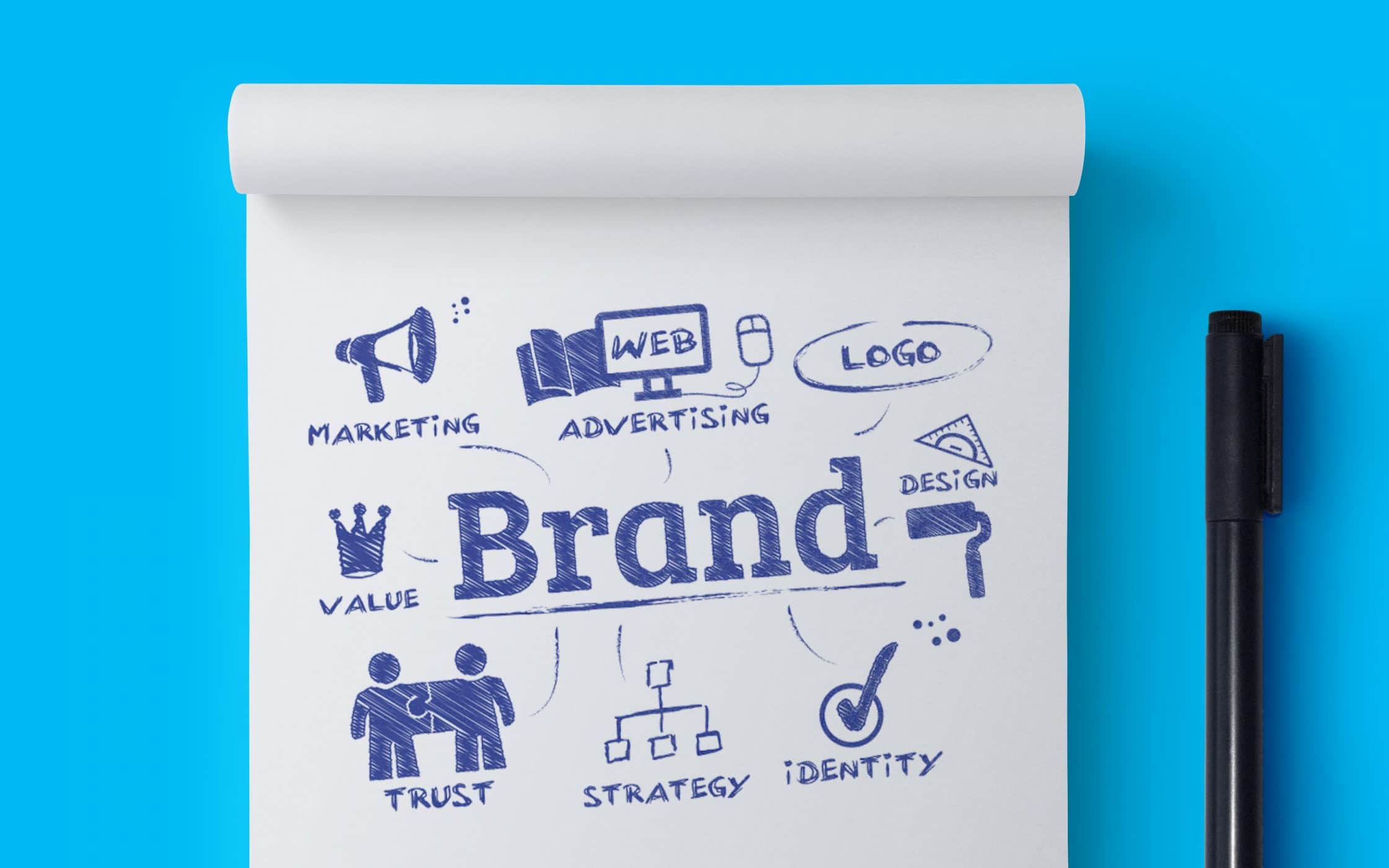
A brand refresh is not just about changing a logo. It is about evolving all the key elements that shape how people see, hear, and experience your brand. Focusing on the right components ensures your refresh feels cohesive and impactful rather than scattered.
Logo and Visual Identity
Your logo is often the first thing people notice about your brand. A refresh should modernize it without making it unrecognizable. Small adjustments such as cleaner shapes, simplified lines, or a flat design can make a logo look fresh and versatile across digital platforms. The goal is to preserve familiarity while upgrading usability.
Typography and Color Palette
Fonts and colors play a major role in recognition. Over time, inconsistent use of typography and outdated color combinations can weaken brand identity. A refresh should unify your choices so that every piece of communication, from social media posts to presentations, feels consistent. This is also the right moment to adopt digital-friendly colors and accessible fonts that improve readability.
Imagery and Design Systems
Photography styles, icon sets, and illustrations often date faster than logos. Updating your imagery to feel modern and authentic can instantly elevate how your brand is perceived. A well-structured design system, including reusable assets and flexible templates, keeps every visual aligned across platforms.
Tone of Voice and Messaging
The way you speak matters as much as how you look. A brand refresh should review taglines, tone of voice, and messaging style to make sure they match your audience today. Clear, human, and relatable language builds stronger connections than jargon-heavy communication.
Brand Consistency Across Touchpoints
Even the best visual and messaging updates fail if they are not applied consistently. Websites, emails, documents, packaging, and ads should all reflect the same refreshed identity. Creating or updating brand guidelines helps ensure that employees and partners maintain consistency wherever your brand shows up.
Step by Step Process to Execute a Brand Refresh
Refreshing your brand successfully requires a clear plan. Instead of making random changes, think of it as a structured journey with defined steps. Each stage ensures your refresh feels intentional, consistent, and well received by both customers and employees.
Step 1: Audit Your Current Brand Identity
Start by evaluating what you already have. Review your logo, colors, fonts, messaging, and design templates. Identify which elements feel outdated and which ones still represent your business well. Collect feedback from employees, partners, and customers to understand how your brand is currently perceived.
Step 2: Define Clear Objectives
Before making changes, clarify why you are refreshing your brand. Do you want to appeal to a younger audience, align with new products, or modernize your visual identity? Setting clear goals will keep the process focused and prevent unnecessary overhauls.
Step 3: Involve Key Stakeholders Early
A brand refresh should not be handled by the design team alone. Include marketing, leadership, HR, and sales teams in the process. Gathering input across departments ensures alignment and helps secure internal buy in, which is critical for rollout success.
Step 4: Refresh Visuals and Messaging
Update your logo, refine your typography, and adjust your color palette to make them more adaptable. At the same time, review your tone of voice and messaging style. The goal is evolution, not revolution, so focus on subtle improvements that strengthen your identity without confusing your audience.
Step 5: Ensure Consistency Across All Touchpoints
Once new elements are ready, apply them everywhere – on your website, social media, email templates, documents, packaging, and presentations. Inconsistencies weaken recognition, so use updated brand guidelines to keep every piece aligned.
Step 6: Communicate the Refresh Clearly
Explain the refresh to employees before announcing it to the public. Provide internal teams with updated templates, logos, and messaging so they can represent the brand correctly. Then, share the refresh externally with a clear, confident story that explains the changes and reinforces brand trust.
Step 7: Monitor and Refine Over Time
A brand refresh is not complete the moment you launch it. Collect feedback, track customer reactions, and measure performance over time. If adjustments are needed, refine elements to make sure your brand continues to resonate with your audience.
Real World Examples of Successful Brand Refreshes
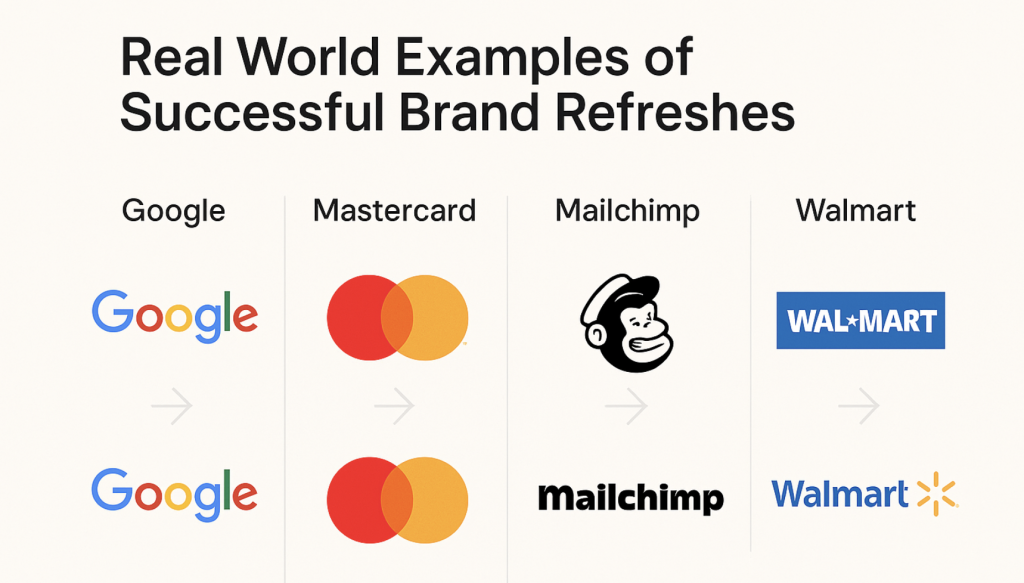
Looking at how well known companies have approached a brand refresh can provide inspiration and lessons for businesses of any size. These examples show how subtle yet thoughtful updates can keep a brand relevant while maintaining its core identity.
Google: Simplicity for a Digital World
Google’s evolution of its logo over the years is a textbook example of a refresh done right. The shift to a clean, sans serif typeface made the logo more adaptable to mobile screens and digital environments. The essence of the brand remained familiar, but the modern typography made it more functional and user friendly.
Mastercard: Recognition Without Words
In 2016, Mastercard simplified its logo by removing the text and letting the overlapping red and yellow circles stand on their own. The result was a cleaner, faster, and instantly recognizable identity that worked across apps, websites, and payment devices. This move showed confidence in its established .
Mailchimp: Quirky Meets Professional
Mailchimp refreshed its brand by keeping its playful character, Freddie the chimp, but refining the overall look with bold colors, hand drawn illustrations, and more consistent messaging. The update helped Mailchimp transition from being seen as just an email service to a broader marketing platform without losing its personality.
Walmart: A Friendlier Look
Walmart’s refresh focused on softening its blocky, corporate logo and adding the bright yellow spark symbol. The update made the brand feel warmer and more approachable, which aligned with its efforts to improve customer experience both in stores and online.
PayPal: Stronger for Mobile Users
PayPal updated its iconic double “P” mark with cleaner lines and stronger colors, improving readability on smaller screens. The refresh highlighted the importance of adapting visual elements for a digital first audience while preserving the identity people already trusted.
These examples prove that a brand refresh is not about starting from scratch. It is about evolution, keeping the elements that work and adapting others to suit a new era.
Common Mistakes to Avoid During a Brand Refresh
Even the best planned brand refresh can fail if certain mistakes are overlooked. Being aware of these pitfalls helps ensure the process delivers the results you expect.
Changing Too Much at Once
A refresh should feel like an update, not a completely new identity. Changing too many elements at once can confuse your audience and break the sense of recognition that took years to build.
Ignoring Employee Buy In
Your employees are your first brand ambassadors. If they do not understand or embrace the new identity, it will be difficult to create consistency. Always communicate the reasons behind the refresh and involve your team in the rollout.
Forgetting Digital and Offline Consistency
It is easy to apply updates on your website and social media while neglecting packaging, business cards, or printed materials. Inconsistencies weaken trust. Every touchpoint should reflect the same refreshed identity.
Overcomplicating the Design
A successful refresh often means simplifying rather than adding more. Complex logos, crowded color palettes, or overly creative fonts can reduce clarity. The best updates make a brand easier to recognize, not harder.
Tools and Resources to Support a Brand Refresh
Carrying out a brand refresh successfully is not only about creative ideas. You also need the right tools to make sure updates are rolled out consistently and remain easy to manage. These resources can help simplify the process.
Digital Asset Management Platforms
A digital asset management system makes it simple to organize, update, and share new brand elements such as logos, templates, and marketing materials. With everything stored in one place, teams can work faster and avoid mistakes caused by outdated files.
Brand Guideline Platforms
Updated brand guidelines are essential after a refresh. Platforms designed to create and share guidelines ensure employees and partners always have access to the latest colors, fonts, and messaging rules. This keeps everyone aligned without relying on scattered documents.
Collaboration and Feedback Tools
Refreshing a brand requires input from design, marketing, leadership, and even customers. Tools for collaboration and approvals allow teams to review, comment, and finalize changes efficiently. This prevents delays and ensures that every voice is considered.
Analytics and Tracking Tools
A refresh should be measured for impact. Analytics tools can track how customers respond to new visuals, messaging, and campaigns. By monitoring performance, you can refine your approach and make sure the refresh delivers long term value.
Using the right tools ensures that your refresh is not just about creating new designs but also about maintaining brand consistency across every channel.
How Brandy Can Help Brands Stay Consistent

Refreshing your brand is only effective if the updates are applied consistently across every touchpoint. This is where Brandy makes the process easier.
With Brandy, teams can store and manage all updated brand assets in a single, secure space. Logos, color palettes, templates, and imagery are always accessible in their most recent versions, reducing the risk of outdated files being used in campaigns.
The platform allows you to create and share brand guidelines that update in real time. Whether it is an internal team member, a partner agency, or a freelancer, everyone works with the same approved assets. This not only protects your brand identity but also speeds up collaboration.
For growing companies, Brandy provides scalability. As you expand into new markets or add new products, your refreshed brand elements remain organized and easy to distribute. This ensures that every audience, regardless of location, experiences a consistent and professional brand.
Conclusion: Make Your Brand Refresh Count
A brand refresh is more than a cosmetic update. It is a thoughtful process that helps a business stay relevant, trustworthy, and connected to its audience. By focusing on evolution rather than reinvention, you can modernize your visuals, refine your messaging, and strengthen your presence without losing the recognition you have built over time.
The key to a successful refresh is clarity and consistency. Define your goals, involve the right people, and ensure every touchpoint reflects the updated identity. Look to real world examples for inspiration but make sure your refresh stays true to your unique brand story.
With the right tools, such as digital asset management platforms and shared brand guidelines, you can make the transition smooth and efficient. Brandy supports this journey by helping teams maintain control over brand assets and apply updates consistently.
A well executed brand refresh not only revitalizes how your brand looks but also reinforces how it feels to customers. Done right, it strengthens trust, builds loyalty, and positions your business to thrive in the years ahead.