Ask someone what branding is, and they’ll likely mention logos, colors, or maybe a catchy slogan. But here’s the truth—branding isn’t what you say it is. It’s what people remember, repeat, and feel after interacting with you. And that’s where your brand communication strategy makes or breaks everything.
While brand identity elements like design and tone of voice are important, the actual impact comes from how consistently and clearly you communicate your brand’s value across every touchpoint—from website copy to customer support emails. In today’s crowded digital marketplace, where consumers are flooded with messages every second, your brand needs more than aesthetics—it needs a communication system that cuts through the noise, builds trust, and shapes perception.
This blog will walk you through powerful, actionable strategies to develop brand communications that actually work. Whether you’re a founder, marketer, or part of a growing creative team, you’ll find insights here that help your brand speak with clarity, empathy, and intention—right where your audience is listening.
What Is Brand Communication, Really?

Branding communication goes far beyond catchy slogans or ad campaigns. At its core, it’s how your business speaks to the world—through visuals, tone, words, and actions. It’s a deliberate communication strategy that connects your brand’s values with your target audience’s needs, emotions, and aspirations.
A effective brand communication strategy ensures every touchpoint—whether it’s a website, social media post, email, or even a customer support interaction—reflects your brand identity and reinforces your message. In today’s digital era, customers don’t just want products; they want meaning, purpose, and trust. That’s why good brand communication efforts shape customer relationships and foster customer loyalty over time.
The goal isn’t just to talk—it’s to build emotional connections, inspire action, and drive brand recognition across various channels. Whether you’re speaking to existing customers, potential customers, or new customers, effective brand communication means tailoring your messaging to their stage in the customer journey and addressing their unique challenges.
An impactful brand communication strategy helps brands align internally and speak consistently externally—ultimately leading to more meaningful customer interactions, stronger positioning, and long-term business success.
The Role of Brand Messaging in Customer Decision-Making
When it comes to influencing purchasing behavior, visual identity alone won’t cut it. While colors and logos create an impression, it’s the brand messages that truly shape what people remember and believe. A brand’s core message becomes the foundation of how it communicates its purpose, value, and relevance.
An effective brand communication plan starts with understanding what the audience really wants to hear—not just what the brand wants to say. Today’s target market is discerning. They seek clarity, authenticity, and above all, emotional relevance. Whether through social media campaigns, email marketing, or in-store experiences, your communication strategy needs to speak directly to their needs.
In a world of noise, strong messaging creates customer engagement, increases brand awareness, and fosters brand loyalty. When your brand communication goals align with your customer’s desires, you build a two-way relationship. This kind of two-way communication lays the groundwork for long-lasting customer satisfaction and turns buyers into brand advocates.
Brands that craft intentional messaging across all communication channels—from their websites to their Instagram bios—stand out not just for what they sell, but for what they stand for.
Why Perception Is Everything in Branding

In branding, perception is reality. No matter how much you invest in design, ads, or product development, it’s your audience’s interpretation that ultimately defines your brand. A well-crafted branding communication strategy doesn’t aim to control perception—but it does influence it intentionally.
Your target audience forms opinions at every stage of the customer journey—from the first website visit to post-purchase support. Each customer touchpoint adds to their mental image of your brand. That’s why a strong brand strategy aligns every message across various channels to build a consistent, compelling narrative.
Great brands don’t just push products—they shape meaning. And they do it by reinforcing a clear brand identity, maintaining consistent messaging, and anchoring every interaction to their values and core message.
When your brand communication plan is built on emotional understanding, it helps form emotional connections that elevate trust and create loyal customers. Over time, this kind of strategic brand communication turns passive observers into active brand advocates, driving not just sales but long-term business success.
How to Develop a Brand Communication Strategy (Step-by-Step)
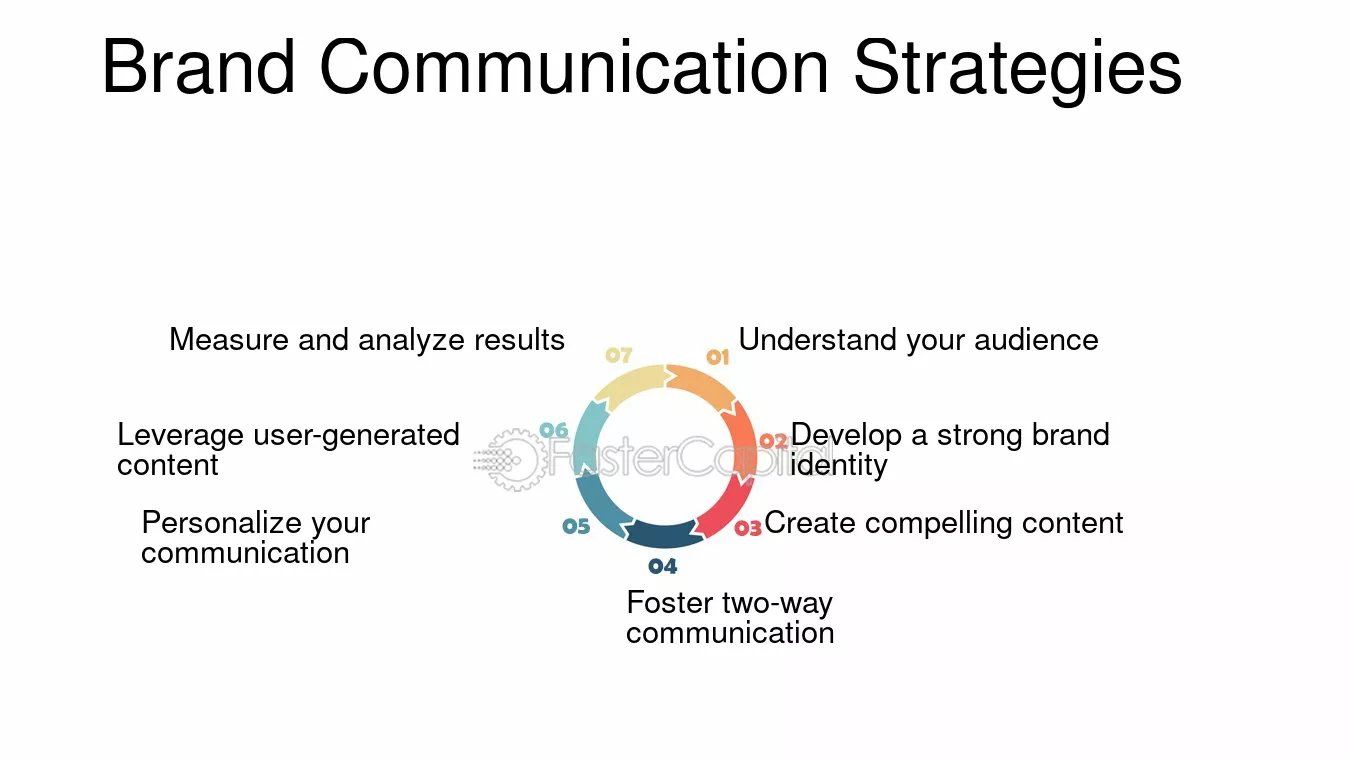
Crafting an effective brand communication strategy isn’t just about what you say—it’s about how, where, and why you say it. Your brand should speak with purpose across every channel, reinforcing your brand identity and resonating deeply with your target audience. Here’s how to build a strategy that drives both clarity and connection:
1. Understand Your Target Audience
Begin with market research to identify your ideal customer—their needs, values, challenges, and communication preferences. When you understand how your customer interacts with brands, you can tailor messages to meet them at the right stage of their customer journey.
2. Define Your Core Message
Every communication strategy should be rooted in a compelling core message. This message reflects your brand’s value and vision, helping you stay consistent across all marketing communications—from website content to social posts and newsletters.
3. Choose the Right Communication Channels
Decide where to engage your audience: social media, email, podcasts, or even traditional methods. Effective communication channels depend on where your audience spends time and how they prefer to receive information.
4. Align Messaging with Brand Voice and Values
Maintain a consistent brand voice that reflects your values and appeals emotionally. Whether you’re creating a landing page or running social media campaigns, your voice should always reflect your brand personality. That consistency should carry into email too, including your closing, so use professional email sign offs.
5. Set Clear Brand Communication Goals
Do you want to increase customer engagement, build brand loyalty, or enhance brand recognition? Your brand communication plan should define measurable goals to track the success of your messaging efforts.
6. Gather and Apply Customer Feedback
Use customer feedback to refine your communication style and delivery. Listening actively helps you align your messages with customer expectations and improve future branding efforts.
7. Evaluate and Optimize
Track the performance of your effective communication strategies across all communication efforts. Use analytics tools to evaluate which marketing channels drive the most customer relationships and optimize accordingly.
By following this step-by-step framework, you can build a strategic brand communication plan that not only speaks to your audience—but gets them to speak back.
Best Channels to Strengthen Your Brand Communication
A good brand communication strategy is only as effective as the channels through which it’s delivered. Choosing the right communication channels is crucial to building brand loyalty, enhancing your brand identity, and reaching your target audience where they’re most active and attentive. Here are some of the most impactful platforms to include in your brand communication plan:
1. Social Media Platforms
From Instagram and LinkedIn to TikTok and X (formerly Twitter), social media remains a powerful avenue for branding communication. It supports real-time engagement, showcases brand personality, and provides opportunities for two-way interaction, all of which help increase customer engagement and build loyal customers.
2. Email Marketing
Email is still one of the most personal and cost-effective marketing communications tools. Automated drip campaigns can nurture leads, share updates, and deliver consistent brand messages—all aligned with your broader marketing strategy.
3. Company Website
Your website is often the first stop for potential customers. It must reflect your core brand value, visuals, and tone while offering a seamless customer experience. This is where brand guidelines, calls to action, and storytelling come together.
4. Podcasts & YouTube
Long-form content on platforms like YouTube or audio podcasts helps brands dive deeper into topics, connect emotionally, and build authority. These channels foster trust and can significantly boost your strategic brand communication efforts.
5. Paid Media & SEO
Search engines are often the gateway to brand discovery. SEO content and paid ads can amplify your messaging and help you reach your target market at the moment they’re searching for solutions—positioning your brand as the answer.
The key is consistency across various channels. When your brand communication model is aligned and distributed strategically, it amplifies your brand voice and turns your audience into brand advocates.
How to Measure the Impact of Your Brand Communication Strategy
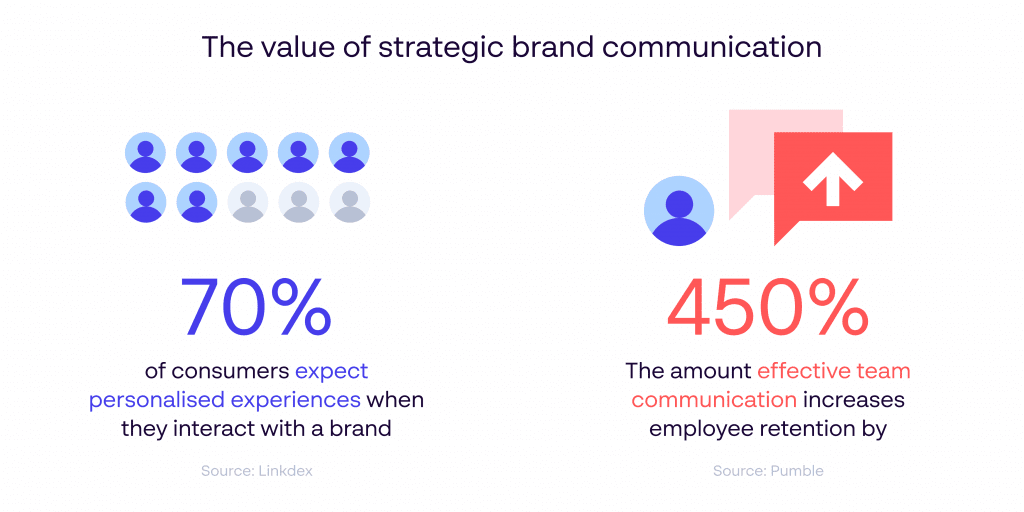
Building a brand communication strategy is one thing—knowing if it’s working is another. To ensure your messaging drives customer loyalty, brand recognition, and real business success, you need to track its effectiveness across all communication efforts.
1. Set KPIs Based on Communication Goals
Start by defining what success looks like. Are you aiming to increase brand awareness, deepen customer engagement, or improve the customer experience? Align your metrics with specific brand communication goals like email open rates, social shares, or lead conversions.
2. Monitor Customer Touchpoints
Evaluate how customers respond across different communication channels—your website, social media, email, or ads. Are they engaging with your brand messages? Are they moving along the customer journey from awareness to loyalty?
3. Gather Customer Feedback
Use surveys, polls, or direct outreach to gather customer feedback. Ask your existing customers and target audiencewhat they associate with your brand. Their perception reveals whether your branding communication aligns with your intent.
4. Analyze Content Performance
Track which messages or formats perform best—videos, blogs, infographics, or podcast episodes. Knowing what resonates allows you to refine your brand communication plan and focus on what actually works.
5. Look for Behavioral Changes
Watch for tangible shifts: more email subscribers, more social followers, higher retention rates, or better brand recall. These are signs that your effective brand communication is creating an emotional connection and turning viewers into loyal customers.
With data-driven evaluation, you can confidently scale what works and fix what doesn’t—ensuring your strong communication strategy delivers lasting impact across all your branding efforts.
Final Thoughts: Why Strategic Brand Communication Matters More Than Ever
In today’s fast-moving digital world, brands can no longer rely on clever taglines or pretty visuals alone. Lasting brand loyalty is built through meaningful, consistent communication that connects at every stage of the customer journey. That’s why investing in a strategic brand communication plan isn’t just smart—it’s essential.
Your brand doesn’t live in a logo—it lives in people’s minds. And the only way to shape how your target audiencethinks, feels, and talks about you is through intentional, well-crafted branding communication. Whether it’s the voice in your emails, the tone in your social media posts, or the message on your website, every interaction contributes to your reputation.
When done right, a strong brand communication strategy builds trust, strengthens customer relationships, and turns everyday users into loyal brand advocates. It also helps improve brand communications across various channels, making your messaging more agile, relevant, and powerful.
In short: great brands don’t just communicate—they connect. And in an era driven by conversation, emotion, and experience, that connection is your most valuable currency.
FAQs on Brand Communication Strategy
Branding communication is the process of conveying your brand identity, core values, and purpose through carefully crafted brand messages across all communication channels. It plays a central role in shaping consumer perceptions, increasing brand awareness, and driving customer engagement. A well-defined brand communication strategy ensures that every interaction—whether through marketing campaigns, websites, or emails—reinforces a unified brand experience and builds customer loyalty over time.
A great example of effective brand communication is Nike’s “Just Do It” campaign. Through emotionally charged messaging, consistent visual branding, and multi-platform delivery—including traditional marketing, digital channels, and influencer partnerships—Nike consistently communicates its brand purpose: empowerment through sport. This brand communication model not only boosts brand recognition but also strengthens customer relationships by aligning with their target audience’s aspirations and values.
The 5 C’s of branding are essential elements of any strategic brand communication plan:
Clarity – Your core message must be easily understood to engage the ideal customer.
Consistency – Maintain consistent brand tone and visuals across all marketing communications.
Credibility – Build trust through transparent messaging and reliable communication efforts.
Connection – Foster an emotional connection with your target market to encourage brand loyalty.
Communication – Use a strong brand communication strategy to deliver meaningful, relevant content across various channels.