
Behind every memorable campaign lies a strong partnership between brands and agencies. Whether it is a global brand launching a powerful narrative or a small business working to define its identity, this connection drives creativity, strategy, and growth. The relationship is not just about executing ads or building a digital presence; it is about aligning values, creating brand experiences, and shaping how customers see and feel about a business.
The connection between brands and agencies has grown more complex as market dynamics evolve. Agencies are no longer just service providers; they have become long-term partners who guide businesses in understanding consumer behavior, refining brand identity, and strengthening brand loyalty. In return, brands bring the vision, the unique selling proposition, and the resources needed to reach the intended audience.
Today’s marketing efforts demand more than traditional strategies. From market research and campaign performance analysis to creative storytelling and emotional connection, the collaboration must balance short-term impact with long-term success. With emerging technologies like generative AI, user generated content, and evolving customer expectations, agencies and brands must find new ways to communicate effectively while maintaining consistency in their brand’s values.
This blog explores how the bond between brands and agencies is evolving, the challenges they face, and the strategies that help create lasting impressions on audiences. It also highlights why effective communication, creativity, and trust remain the cornerstones of this crucial partnership.
The Evolution of Brand–Agency Relationships
The partnership between brands and agencies has always reflected the changing needs of businesses and consumers. In the early days of advertising, agencies acted mainly as creative houses, producing print campaigns, radio jingles, and later television ads that helped brands gain recognition. These agencies offered fresh ideas and crafted narratives that businesses alone struggled to develop. Campaigns during this time were simpler but relied heavily on creative execution to capture the attention of the target audience.
As the marketing industry expanded, the role of agencies grew more sophisticated. Businesses needed not just creative ads but also insights into consumer behavior and strategies that would drive measurable results. Agencies began to take on responsibilities like market research, brand positioning, and campaign performance analysis. This shift allowed brands to better connect with their audience through data-backed decisions while still benefiting from the creativity agencies brought to the table.
The arrival of digital platforms transformed the relationship even further. Marketing agencies became partners in building digital presence, managing user generated content, and creating strategies that kept pace with rapidly changing market dynamics. Today, agencies are expected to provide not only creative direction but also technical expertise across social media, SEO, paid ads, and branding. This multi-layered collaboration has turned agencies into an extension of the brand’s own team.
At the same time, the rise of in-house marketing teams introduced both opportunities and challenges. While brands gained more control over their messaging, many agencies found themselves focusing on specialized services that in-house teams could not deliver. This shift reshaped long term relationships, making collaboration more about partnership than transaction.
In short, the evolution of brand–agency connections highlights one thing clearly: success requires a strategic approach where creativity, expertise, and consistent messaging work together to create brand experiences that resonate with customers on both a practical and emotional level.
Why Brands Need Agencies More Than Ever
In a world where consumers are flooded with thousands of messages daily, brands face the challenge of cutting through the noise and creating campaigns that leave a lasting impression. This is where marketing agencies become invaluable. They bring an outside perspective that helps businesses see beyond internal biases and focus on what truly resonates with their intended audience. Agencies combine creativity, strategy, and data-driven insights to craft brand narratives that capture attention and build emotional connections.
One of the key benefits agencies provide is expertise. From market research and consumer behavior analysis to campaign performance tracking, they ensure that marketing efforts are aligned with both short-term goals and long term success. Many agencies specialize in developing strategies that connect brand identity with the target audience through consistent messaging, compelling visuals, and carefully designed brand experiences.
Brands also rely on agencies for their ability to innovate. With access to various sources of industry trends, tools, and emerging technologies, agencies can spot new opportunities that businesses might overlook. Whether it is designing color palettes for stronger visual elements, developing unique campaigns, or incorporating generative AI into content creation, agencies bring a fresh perspective that fuels creativity and competitive edge.
Ultimately, agencies help turn brands into more than just products or services. They help create identities that customers recognize, trust, and return to repeatedly. In today’s fast-moving market dynamics, partnering with an agency is not simply about outsourcing work. It is about investing in effective communication, brand loyalty, and long-term growth.
Why Agencies Need Brands to Thrive
Agencies rely on brands as much as brands rely on agencies. Here we discuss why strong brands are essential for agency growth and credibility.
Brands Elevate Agency Reputation
Agencies build their reputation through the success of the brands they serve. Every winning campaign adds credibility, showing potential clients that the agency has the ability to deliver meaningful results. Without brands providing opportunities, agencies would have no stage to prove their creativity or their role in shaping brand identity.
Access to Real-World Challenges
By working with businesses across various industries, agencies gain insights into consumer behavior, brand identities, and market dynamics. These experiences sharpen their expertise and allow them to develop strategies that connect with audiences on an emotional level. Brands become the testing ground where agencies can refine their skills and create campaigns that stand out.
Investment That Fuels Innovation
Agencies thrive when brands invest in marketing budgets that support experimentation. Adequate resources allow agencies to apply market research, test new strategies, and measure campaign performance. This investment creates the space for agencies to introduce fresh creative ideas, explore emerging technologies, and design campaigns that strengthen brand loyalty.
A Symbiotic Relationship
Ultimately, agencies turn brands into recognizable names, while brands give agencies the credibility to attract new clients. It is a long term relationship built on creativity, trust, and shared success. Both sides depend on each other, and when the partnership works, it creates a competitive edge that benefits businesses, agencies, and customers alike.
The Trust Factor: The Core of Every Partnership
Trust is the glue that keeps brand–agency relationships strong. Without it, creativity suffers and long-term success becomes difficult to achieve.
Why Trust Matters
Trust is the foundation of any successful connection between brands and agencies. Without it, even the most creative campaigns or advanced marketing efforts can fall short. When brands trust agencies, they allow room for risk-taking and creativity, which leads to campaigns that build deeper emotional connections with the target audience.
The Consequences of Low Trust
Studies show that many agencies feel rushed, undervalued, or doubted by their clients. This lack of trust often leads to campaigns focused only on short-term gains rather than long term success. When agencies are pressured to deliver instant results without flexibility, creativity suffers and the relationship weakens.
Building Trust Through Transparency
To repair and strengthen partnerships, both sides must prioritize effective communication and clarity. Brands need to share their vision, values, and intended audience openly, while agencies must be transparent about strategies, timelines, and campaign performance. When both sides align expectations and respect each other’s expertise, trust grows naturally.
Trust as a Driver of Creativity
The strongest brand-agency partnerships are those where creativity is encouraged, even when it involves risk. By creating a safe space for experimentation, brands empower agencies to deliver campaigns that not only reach but resonate with customers on an emotional level, ensuring lasting impressions and long term relationships.
Creativity as the Lifeline of the Relationship
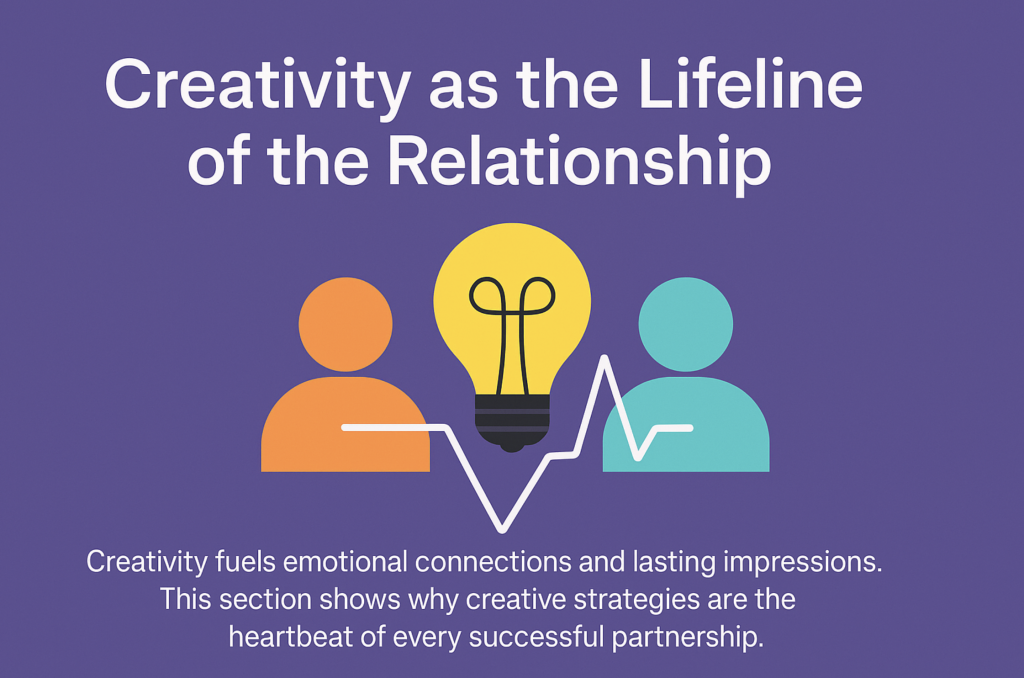
Creativity fuels emotional connections and lasting impressions. This section shows why creative strategies are the heartbeat of every successful partnership.
Why Creativity Defines Success
In marketing, creativity is the bridge that connects a brand’s values to its target audience. While strategies and data guide the process, creativity is what makes a campaign memorable. It transforms simple messages into brand experiences that resonate on an emotional level, helping businesses stand out in a competitive industry.
Short-Term Impact vs. Long Term Success
Brands often focus on quick wins, while agencies advocate for creative ideas that build lasting impressions. Balancing both is crucial. A campaign designed for immediate visibility might attract attention, but only consistent creative storytelling develops brand loyalty and long term relationships. Agencies play a key role in ensuring that marketing efforts serve both short-term performance and long-term brand identity.
Overcoming the Fear of Risk
Many agencies feel that brands are becoming too cautious in their approach to marketing. Concerns about customer feedback, social media reactions, or failing campaigns often prevent brands from embracing bold ideas. Yet, taking calculated risks is essential for growth. The most successful brand narratives are those that dare to be different and connect with consumers on an emotional level.
Creativity Backed by Research
Creative campaigns are not just about imagination; they are informed by market research, consumer behavior studies, and campaign performance data. Agencies use these insights to design visuals, messaging, and brand experiences that align with the intended audience. By combining data and creativity, agencies help brands deliver campaigns that are both original and effective.
Resonance Over Noise
In an era of repeated exposure and information overload, louder campaigns are not always better. Creativity ensures resonance. It has the ability to touch audiences in ways that generic campaigns cannot. Whether through powerful visual elements, authentic storytelling, or user generated content, creative strategies give brands a competitive edge in crowded markets.
The Role of Technology in Brand–Agency Collaboration
Technology empowers both brands and agencies to collaborate smarter, not harder. From AI to analytics, digital tools shape modern marketing efforts.
Technology as a Collaboration Bridge
Modern marketing efforts are no longer limited to traditional campaigns. Brands and agencies now rely on digital tools and platforms to collaborate in real time, share assets, and ensure consistent messaging across multiple channels. Technology makes it easier to maintain a clear brand identity and communicate effectively with the target audience.
Streamlining Workflows with Digital Platforms
Cloud-based tools, project management software, and brand asset platforms allow agencies and brands to centralize their work. Instead of scattered files and endless email threads, both sides can access approved brand assets, color palettes, and guidelines from a single source. This reduces errors, speeds up delivery, and ensures that campaigns reflect the brand’s values consistently.
Leveraging Emerging Technologies
Agencies are increasingly adopting emerging technologies like generative AI to enhance creativity and efficiency. AI tools can generate variations of visual elements, optimize messaging, and even predict consumer behavior through data analysis. While technology supports the process, the emotional connection and creativity still come from human insight. The balance between innovation and authenticity is what creates effective communication.
Data-Driven Decision Making
Technology also strengthens campaign performance by providing measurable insights. From market research tools to analytics dashboards, agencies can track how audiences engage with campaigns in real time. This allows brands to adjust strategies, test new opportunities, and invest marketing budgets more wisely.
Technology as a Competitive Edge
In today’s market dynamics, businesses that fail to adopt digital solutions risk falling behind. Agencies that integrate technology into their services not only improve efficiency but also give brands a competitive edge. By combining creativity with technology, the partnership delivers campaigns that are consistent, impactful, and future-focused.
Challenges in the Brand–Agency Connection
Every partnership faces roadblocks. This section highlights the common challenges that strain collaboration and affect campaign performance.
Time Pressure and Tight Deadlines
One of the biggest challenges agencies face is the constant demand for speed. Many agencies report that their clients expect campaigns to be delivered faster than ever. This rush often limits creativity, reduces the quality of output, and shifts the focus from long term success to short-term marketing efforts. While speed is important, campaigns built only under pressure risk losing emotional connection with the target audience.
Misaligned Goals and Expectations
Brands often prioritize measurable outcomes like sales or immediate visibility, while agencies push for strategies that focus on long term relationships and brand loyalty. When these goals are not aligned, tension arises. Miscommunication can lead to campaigns that do not fully reflect the brand identity or fail to connect with the intended audience.
Overlap with In-House Teams
The rise of in-house marketing teams has created both opportunities and challenges. While in-house teams bring deeper knowledge of the brand’s values and business goals, agencies bring broader industry expertise and creative strategies. Without clear lines of responsibility, duplication of work and conflicting directions can harm campaign performance.
Budget Limitations
Even the most creative strategies require resources. When marketing budgets are too restrictive, agencies are forced to scale back on market research, creative testing, and innovative solutions. This can weaken campaign results and limit the ability to develop brand narratives that stand out in competitive markets.
Trust and Communication Gaps
A lack of trust remains a recurring challenge. When brands doubt agency expertise or fail to provide transparent feedback, it affects creativity and collaboration. Similarly, agencies must ensure they communicate strategies clearly and share campaign performance data openly. Without trust and effective communication, even the strongest brand-agency connections can break down.
How to Strengthen the Partnership
Partnerships succeed when both sides invest in communication, alignment, and innovation. Here we outline proven ways to make the bond stronger.
Establish Clear Roles and Responsibilities
Strong partnerships begin with clarity. Brands and agencies must define who is responsible for what, from campaign strategy to creative execution. When each side understands its role, there is less overlap, fewer delays, and stronger accountability. This alignment ensures that marketing efforts are efficient and focused on delivering long term success.
Foster Regular and Open Communication
Effective communication is the foundation of any successful relationship. Weekly or monthly check-ins, transparent updates on campaign performance, and honest discussions about challenges help build trust. Agencies need to feel comfortable sharing creative risks, while brands must provide constructive customer feedback. Open dialogue reduces misunderstandings and strengthens brand narratives.
Align on Goals and KPIs
Misaligned goals often weaken campaigns. Brands might focus on immediate sales, while agencies look at brand identity and emotional connection. The solution is to set shared KPIs that measure both short-term and long-term impact. This balanced approach ensures that strategies not only reach the intended audience but also build brand loyalty and consistent brand experiences over time.
Invest in Joint Learning and Innovation
Partnerships thrive when both sides learn and grow together. Co-creation workshops, training sessions on emerging technologies, and collaborative brainstorming sessions can uncover new opportunities. These investments empower agencies to bring fresh strategies while helping brands understand industry trends and consumer behavior more deeply.
Use Centralized Brand Assets and Guidelines
Confusion over visual elements, messaging, or tone can weaken campaign quality. By using centralized brand asset platforms, both sides can access approved logos, color palettes, and guidelines. This ensures consistency in branding and makes collaboration smoother. Shared tools also reduce errors and speed up the creative process.
Build Trust Through Transparency
Trust develops over time through honesty and respect. Brands must share their vision, budgets, and expectations openly, while agencies need to be transparent about their strategies and timelines. When both sides operate with integrity, the relationship naturally turns into a long term partnership focused on growth and creativity.
Future of Brand–Agency Collaboration
The future will bring hybrid teams, emerging technologies, and new creative opportunities. This section looks ahead at how relationships will evolve.
Blending In-House and Agency Expertise
The future will likely see brands adopting hybrid models where in-house teams work closely with agencies. In-house teams provide deep knowledge of the brand’s values and audience, while agencies bring creativity, market research, and industry expertise. This blend ensures that marketing efforts are both authentic and innovative, strengthening long term relationships.
Embracing Emerging Technologies
Agencies and brands will continue to experiment with emerging technologies such as generative AI, automation, and advanced analytics. These tools will not replace creativity but will support it by providing insights into consumer behavior and campaign performance. The brands that adopt technology while staying true to their identity will gain a competitive edge in changing market dynamics.
Creativity Will Remain Central
No matter how advanced technology becomes, creativity will remain the lifeline of partnerships. Audiences connect with brand narratives and emotional storytelling more than with automated campaigns. Agencies will focus on delivering brand experiences that resonate on an emotional level while leveraging technology for efficiency and precision.
Greater Focus on Long Term Success
Future collaborations will prioritize building sustainable, long term success instead of chasing only short-term results. Brands will invest in strategies that enhance brand loyalty, while agencies will focus on creating campaigns that balance immediate impact with a lasting impression. This shift will strengthen relationships and ensure growth for both sides.
Building Partnerships Around Trust
As businesses face tighter marketing budgets and more competition, trust will become the most valuable currency. Agencies that operate transparently and brands that respect agency expertise will form long-lasting connections. These partnerships will thrive on effective communication, shared goals, and consistent creativity.
Conclusion: Building Stronger Bonds for Lasting Impact
The connection between brands and agencies is more than a business arrangement. It is a partnership built on creativity, trust, and shared ambition. Every successful campaign, whether it is a short-term marketing effort or a long-term strategy, relies on the ability of both sides to collaborate, communicate, and stay aligned with the brand’s values.
Agencies bring expertise in market research, consumer behavior, and creative storytelling, while brands provide vision, identity, and resources. When these elements come together, the result is campaigns that resonate with the intended audience on an emotional level and create brand loyalty that lasts.
As market dynamics continue to shift and emerging technologies reshape how businesses connect with customers, the importance of effective communication and transparency will only grow. Brands and agencies that embrace innovation while staying consistent with their brand identity will gain a competitive edge and achieve long term success.
Ultimately, the strongest partnerships are those where both sides trust each other’s expertise and commit to building more than campaigns. They build brand experiences that leave a lasting impression on consumers and strengthen long term relationships.