Creative work has never moved faster. Agencies are producing more campaigns, more formats, and more content variations across more platforms than any other time in history. Every request arrives with tight deadlines and even tighter expectations. In the middle of this fast moving environment, one element decides whether a project flows smoothly or becomes a long chain of revisions and misalignment. The creative brief.
The creative brief has grown far beyond a simple document that lists goals and deliverables. It has become the foundation that guides strategy, messaging, visual direction, and collaboration among teams that may be spread across different time zones and specialties. When a brief is unclear or incomplete, the entire process slows down. Designers guess. Copywriters wait for details. Clients rewrite expectations halfway through. Deadlines shift.
This is why agencies now rely on creative brief tools that bring structure, speed, and clarity into the very first step of the project. These platforms help teams gather information, share context, align stakeholders, and create a reliable starting point for every campaign. With the right tool, agencies save hours, eliminate confusion, and begin every project with a level of confidence that carries through to the final delivery.
In this guide, we explore the top creative brief tools that help agencies stay aligned, move faster, and produce stronger work in 2026.
What Makes A Great Creative Brief Tool Today
Creative work moves quickly, but the need for clarity has never been stronger. A strong creative brief tool brings structure and understanding to every project before a single design or concept begins. It helps teams gather the right information, define the right goals, and share the right context with everyone involved. The best tools do much more than store notes. They support creative thinking while keeping every step organized and accessible.
Modern agencies look for creative brief platforms that serve as a single place where strategy, assets, deliverables, and feedback come together. This ensures nothing is lost in emails or scattered documents. A high quality briefing tool also adapts to different project types, whether it is a campaign, a brand update, a video concept, or a product launch. When the structure fits the project, teams make fewer assumptions and reach alignment faster.
AI has also changed the way teams approach briefing. Instead of starting from a blank page, AI can guide users through the right questions, suggest missing elements, and even analyze past work to inform new ideas. This saves valuable time and supports deeper creative thinking.
Below are the qualities that define a strong creative brief tool for agencies.
Clear and Structured Templates
The tool must guide teams through objectives, audiences, messaging, deliverables, and timelines with a simple and consistent structure.
Centralized Collaboration and Approvals
Teams need a shared space where comments, reviews, and client feedback can be handled without confusion.
Context Sharing and Version Tracking
Every update should be visible and easy to reference so that no information gets lost when the brief evolves.
Flexible Brief Types for Agencies
Campaigns, content pieces, brand refreshes, and product launches all require different types of briefs. A good tool supports this variety.
AI Assistance that Saves Time
AI guidance can help teams draft stronger briefs, ask better questions, and complete initial steps much faster.
Integration with Creative and Project Tools
A creative brief becomes more useful when it connects to asset libraries, project management tools, and collaborative workspaces.
This clear set of criteria helps agencies choose tools that support both creativity and operational flow. Now let us look at the top platforms that stand out in 2026.
The Best Creative Brief Tools for Agencies in 2026
Creative teams rely on tools that help them launch projects with clarity and confidence. The following platforms stand out for their structure, collaboration features, and support for fast moving agency workflows. Each tool brings its own strengths, whether you need AI guidance, better client input, or tighter alignment across teams.
Dropbox Dash
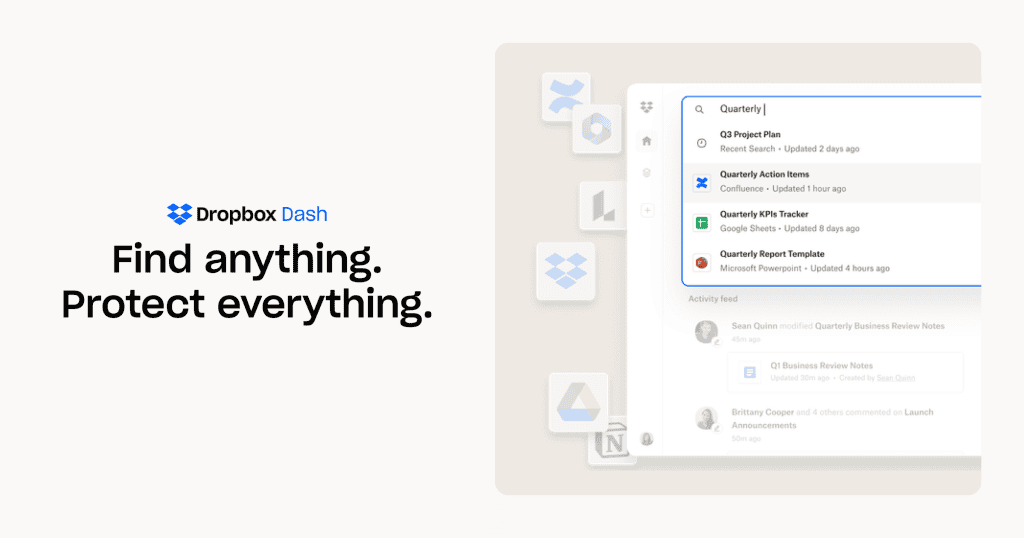
Dropbox Dash brings briefing and content management into one smooth workflow. Using its Dash Chat feature, teams can turn simple prompts into structured creative briefs that include objectives, formats, and audience insights. Dash connects easily with current file systems such as Dropbox and Google Drive, allowing teams to attach references, past work, or client assets without searching across folders. Stacks help keep everything organized so briefs, assets, and campaign files stay together. This tool works especially well for agencies that want to brief faster without changing the platforms they already use daily.
HolaBrief
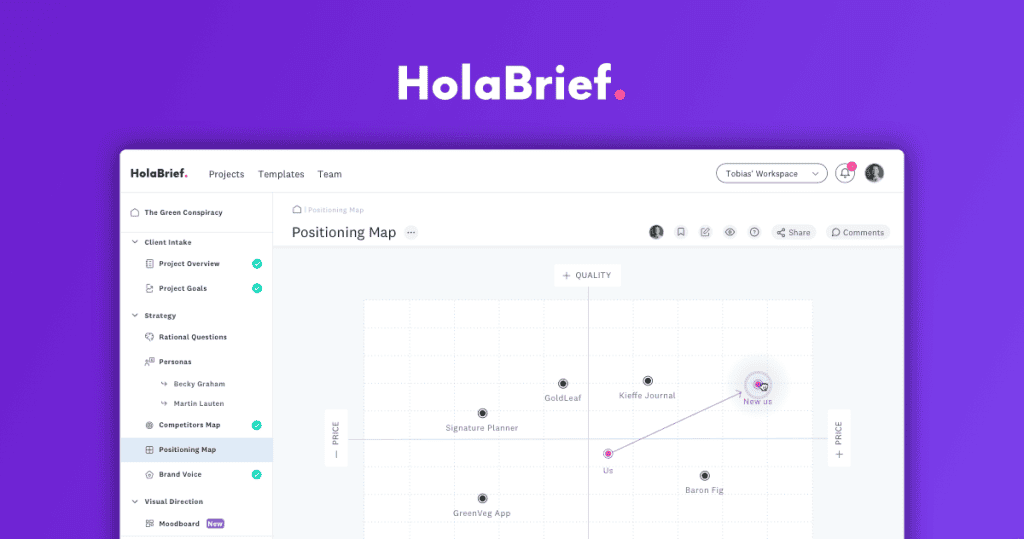
HolaBrief is built for agencies that value strong discovery sessions and structured thinking at the start of every project. The platform includes detailed templates for brand strategy, personas, campaign direction, and creative goals. Teams can invite clients directly into the workspace, which makes sign offs and feedback transparent and organized. Real time collaboration ensures everyone sees updates as they happen. The emphasis on clarity makes HolaBrief an excellent choice for agencies that want to avoid scattered inputs and start every project with a deep understanding of the brand and its audience.
Content Snare
Content Snare is perfect for teams who struggle with collecting inputs, files, and approvals from multiple stakeholders. Instead of managing endless follow ups, the platform sends automated reminders and tracks which elements are still pending. It organizes feedback, text, images, and documents into a single checklist style interface, making it easy for clients to submit everything correctly. This reduces bottlenecks and keeps projects moving forward. Agencies that spend too much time waiting for content or clarification find Content Snare extremely helpful for improving workflow speed and consistency.
Briefly
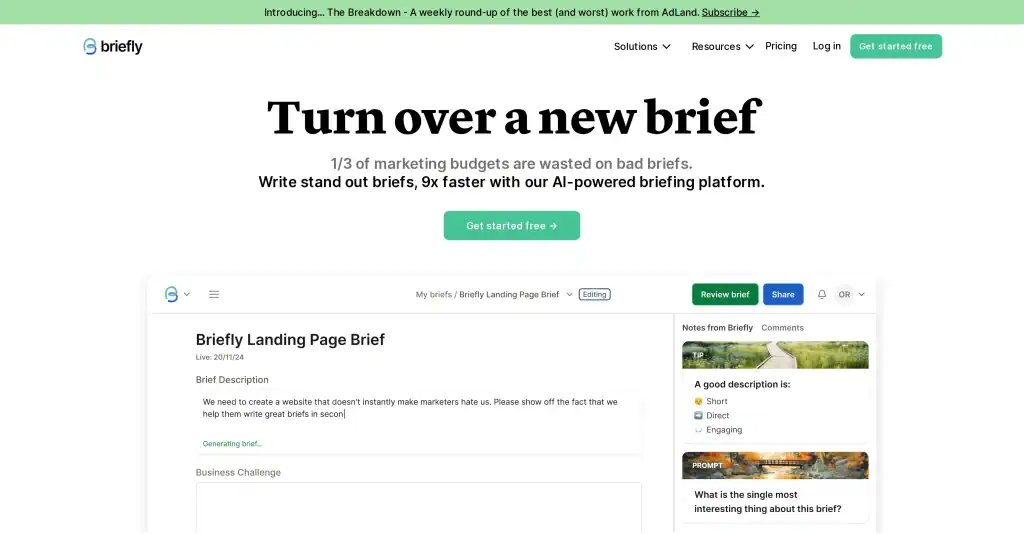
Briefly focuses on fast and consistent creative briefs for agencies that handle many campaigns at once. It guides users through clear fields that cover goals, tone, key messages, audiences, and deliverables. The platform helps standardize briefing across teams so every project starts with the same level of clarity. Its layout makes it easy for both internal teams and clients to understand the direction without reading complex documents. Briefly is a strong option for busy work environments where teams need a reliable and repeatable briefing process.
Megabrief
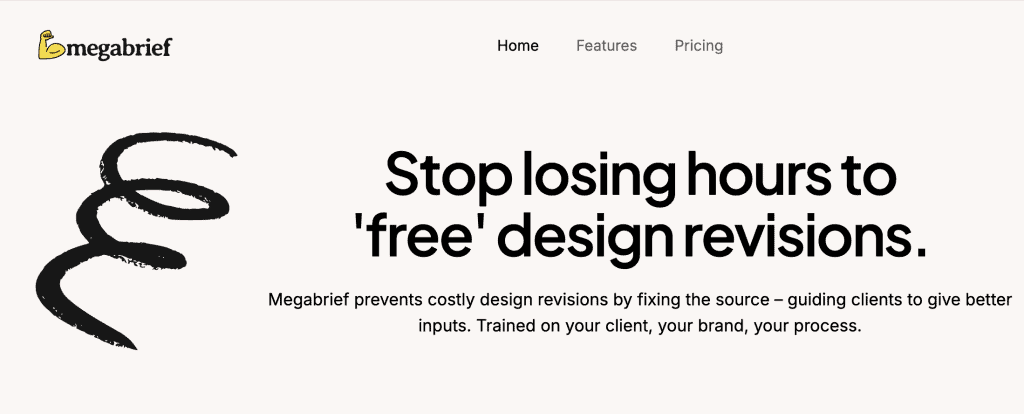
Megabrief offers a conversational approach to briefing that feels natural for teams that want speed without sacrificing clarity. Users answer simple questions about the project, and the platform builds a complete professional brief in their brand voice. This helps teams overcome blank page anxiety and reduces setup time for new campaigns. Megabrief is lightweight and easy to use, making it ideal for small creative teams, studios, or agencies that want clarity with minimal complexity.
QuillBot Creative Brief Generator

QuillBot provides a simple and effective creative brief generator that works well for freelancers and smaller marketing teams. It prompts users to enter key information such as objectives, audiences, timelines, and deliverables, then formats everything into a clean brief ready for review. The tool is quick, accessible, and affordable, which makes it a great starting point for teams that want structure but do not require a full creative operations platform.
ClickUp

ClickUp brings creative briefing into a broader project management ecosystem. Agencies can embed documents, outline deliverables, assign tasks, and track campaign progress within one unified workspace. The platform includes templates for creative briefs and allows teams to link briefs directly to tasks and timelines. Visual boards help track work in progress, while integrated chat and comments keep communication organized. ClickUp is well suited for marketing teams that want their briefing process to live inside the same system they use for execution.
Notion

Notion gives teams a flexible and customizable space for creative briefs. Agencies can build their own templates for objectives, concepts, deliverables, and references, then link them to databases for assets, approvals, or timelines. The platform supports lightweight collaboration and can be shaped to match the workflow of any studio or agency. When paired with AI features, Notion helps generate first draft briefs or summarize older documents. Its adaptability makes it a preferred tool for startups and creative teams that need simplicity with room to grow.
Miro
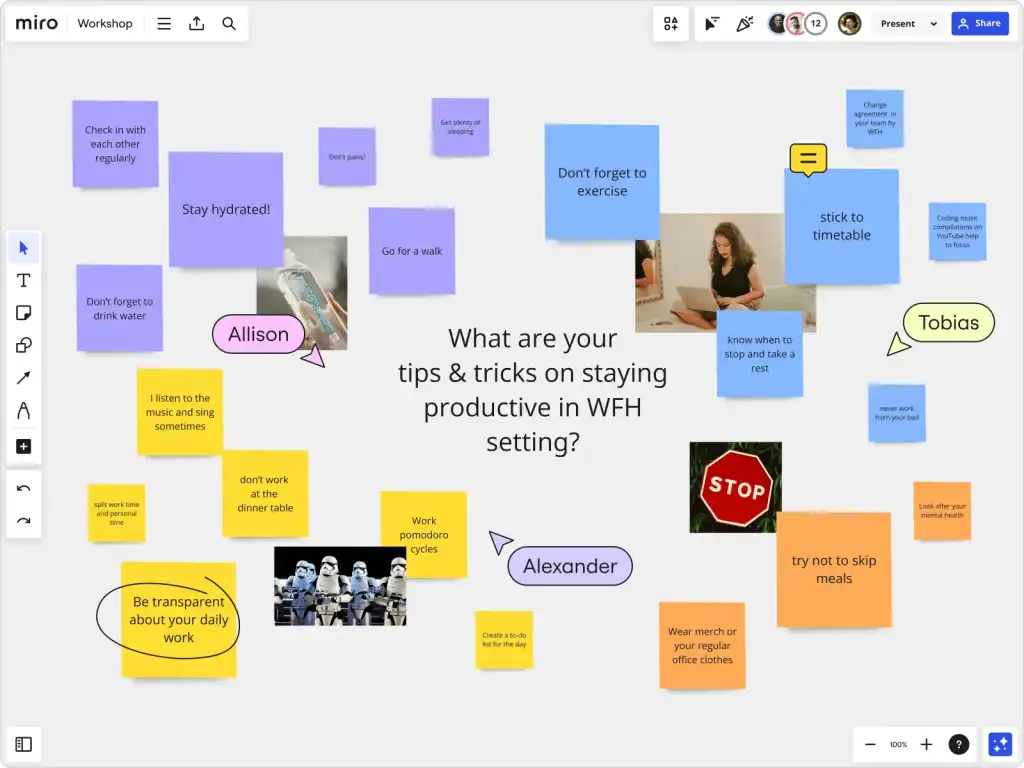
Miro is a visual collaboration platform that has become widely used for early stage campaign planning. Creative teams use Miro boards for brainstorming, moodboards, idea mapping, and concept development before building a structured brief. The visual workspace supports real time collaboration and creative exploration. Once ideas settle, teams can link these boards to their briefing documents or strategy pages. Miro is ideal for cross functional groups that think visually and want a creative environment that encourages open exploration.
How Creative Brief Tools Improve Agency Workflows
A strong creative brief tool does more than organize information. It creates a smoother and more predictable workflow for every team inside an agency. When projects begin with complete context and shared clarity, the entire creative process becomes faster and more collaborative. Modern tools reduce the friction that usually appears during kickoffs, reviews, and approvals, which saves time and prevents unnecessary rework.
Creative brief platforms also remove the guesswork that often slows down execution. Designers know the visual direction. Copywriters understand the tone. Strategy teams have clarity on audience insights. Clients get a structured view of expectations before work begins. This shared understanding allows every team to move forward with confidence.
Faster Kickoffs
Teams no longer wait for scattered inputs or unclear notes. A clear brief lets creative work begin immediately.
Reduced Revisions
When goals and expectations are defined early, final outputs require fewer changes.
Clearer Client Feedback
Clients can review structured information rather than long email threads or unorganized files.
Better Creative Alignment Across Teams
Design, copy, strategy, and marketing teams stay connected through one shared source of truth.
Creative brief tools turn early alignment into a long term advantage that benefits every stage of the project. They help agencies work at a pace that matches the demands of modern marketing while maintaining quality and consistency.
How AI Is Changing The Creative Brief For Agencies
AI has transformed the way creative teams approach briefing by removing the slow and repetitive steps that used to consume the early stages of every project. Instead of starting from a blank page or collecting scattered inputs, AI systems now analyze past campaigns, understand performance patterns, and suggest the direction that gives teams a stronger foundation to begin with. This shift helps agencies focus more on creative thinking and less on administrative tasks.
Smarter Drafting Based on Context
AI studies previous briefs, brand material, and campaign outcomes to suggest structured drafts that match the project goals.
Automatic Asset Matching
The system can search creative libraries and recommend visuals, messages, or examples that support the new brief.
Performance Linked Insights
Teams receive guidance based on what has worked before, helping them shape ideas with proven patterns.
Intelligent Checks Before Approvals
AI flags gaps or missing information so that every brief feels complete before reviews begin.
With these capabilities, agencies save hours on setup and begin projects with more clarity, confidence, and insight.
How Brandy Helps Agencies Keep Every Creative Brief Connected

Brandy supports creative teams by giving them a central place to store and manage every element that shapes a strong brief. Instead of searching through drives, folders, or old project files, teams can keep brand guidelines, tone descriptions, visual rules, and approved assets in one organized workspace. This ensures that anyone preparing a creative brief starts with the most accurate and up to date information.
Project folders, design references, campaign material, and messaging frameworks can be linked directly to any brief, which helps teams maintain consistency across every project. Brandy also acts as a reliable reference point when multiple departments or external partners are involved. It reduces confusion, prevents outdated assets from being used, and supports clearer communication.
Without trying to shape the creative direction itself, Brandy simply keeps everything aligned. It strengthens clarity, supports collaboration, and ensures that every brief begins with a shared understanding of the brand.
Final Thoughts
Creative agencies work in an environment where clarity and speed make a meaningful difference. A strong creative brief platform gives teams the structure they need to begin every project with confidence, while reducing the misalignment that often slows down execution. Modern tools support collaboration, streamline approvals, and bring context together in one place, which makes each stage of the process more efficient.
As workflows grow more complex and campaigns move faster, choosing the right platform becomes essential. Agencies that invest in tools designed for alignment and operational precision are better equipped to deliver consistent, high quality creative work with fewer delays and stronger outcomes.