In today’s competitive market, branding isn’t just a luxury—it’s a necessity. A strong brand not only builds recognition but also establishes trust and emotional connection with your audience. At the heart of a cohesive brand lies an essential tool: the brand kit.
A brand kit (also known as a brand style guide) is a curated collection of the core visual and verbal elements that define your brand identity. It ensures consistent branding across every touchpoint—from your website and social media platforms to packaging, presentations, and marketing materials. Think of it as the brand bible that keeps everything on-brand.
Why Is a Brand Kit Important?
A comprehensive brand kit is a time-saving, consistency-building, and communication-enhancing asset. It helps:
- Ensure brand consistency across departments, agencies, and channels
- Make onboarding easier for new team members, freelancers, or partners
- Streamline creative workflows by providing ready-to-use brand assets
- Protect your visual identity by avoiding off-brand colors, fonts, or styles
Whether you’re launching a startup or scaling an enterprise, a good brand kit keeps your brand experience unified.
Key Elements of a Brand Kit
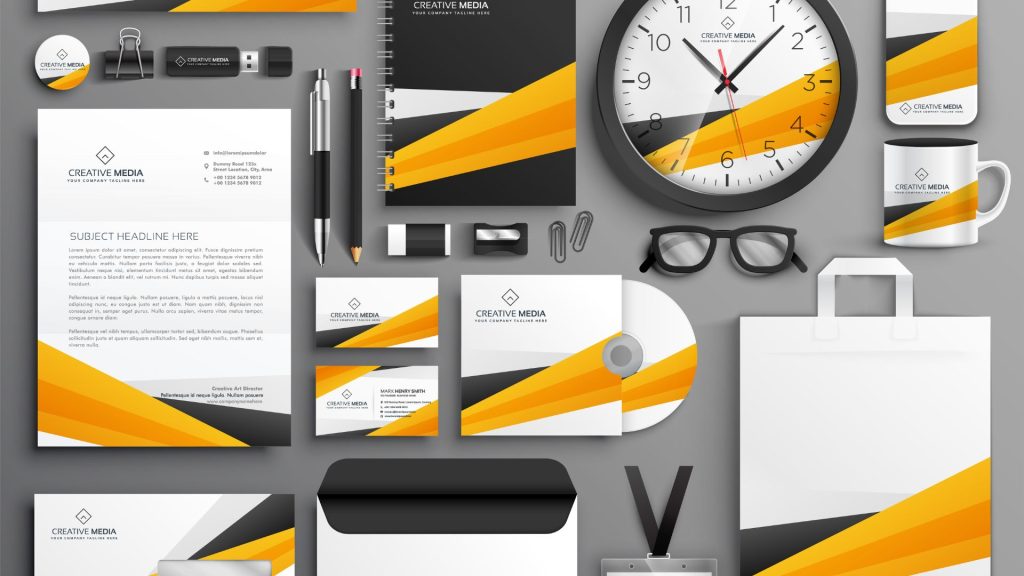
Let’s dive into the essential components every brand kit should include:
1. Logo Variations
Your logo is the cornerstone of your brand identity. A brand kit includes:
- Primary and secondary logo versions
- Color, black-and-white, and transparent formats
- Rules for logo placement and clear space
This ensures your logo looks great whether it’s on a business card, billboard, or interactive digital signage.
2. Color Palette
The color palette defines your primary brand colors and secondary colors. A good kit provides:
- HEX, RGB, CMYK values for print and digital use
- Usage rules for background/foreground combinations
- Guidelines on color contrast and accessibility
3. Typography and Fonts
Typography gives personality to your brand. Your brand kit should list:
- Main font families (headlines, subheadings, body text)
- Font sizes, weights, and styles
- Alternatives for web-safe or Google Fonts
Having consistent brand fonts makes every piece of content instantly recognizable.
4. Images and Visual Assets
Visuals enhance storytelling. Include:
- Stock image guidelines or approved libraries
- Preferred illustration or icon styles
- Photo usage rules (e.g., tone, saturation, composition)
This aligns your visual elements with your brand style.
5. Writing Style and Tone of Voice
Your tone of voice is how your brand sounds. A clear writing guide should include:
- Key brand phrases and messaging pillars
- Grammar, punctuation, and formatting preferences
- Examples of on-brand vs. off-brand copy
This is essential for maintaining consistency in emails, social posts, and web content.
Design Elements That Define Your Brand
Every brand kit is made up of essential elements that communicate the essence of your brand. These include:
- Custom icons or patterns
- Illustrative accents or background textures
- Button styles and call-to-action formats
Together, these assets create a recognizable look and feel that your target audience will associate with your brand instantly.
Design Guidelines for Brand Accuracy
Even the best design elements need structure. Your brand kit should also include clear design guidelines such as:
- Layout rules for brochures, social posts, and digital banners
- Margin and padding instructions for visual balance
- Specific examples of correct and incorrect usage
These guidelines ensure your visual consistency is never left to chance, especially when scaling content across teams or markets.
Color Scheme Psychology: Influence Through Hue
Colors influence behavior. A strategic color scheme can help communicate your brand’s values, tone, and intentions. Your brand kit should provide:
- Emotional associations of your primary and secondary colors
- Tips for combining hues based on brand mood
- Color use by platform (print, digital, web accessibility)
A well-thought-out color scheme not only enhances design but also helps your brand resonate with your target audience.
Optional (But Useful) Additions to Your Brand Kit
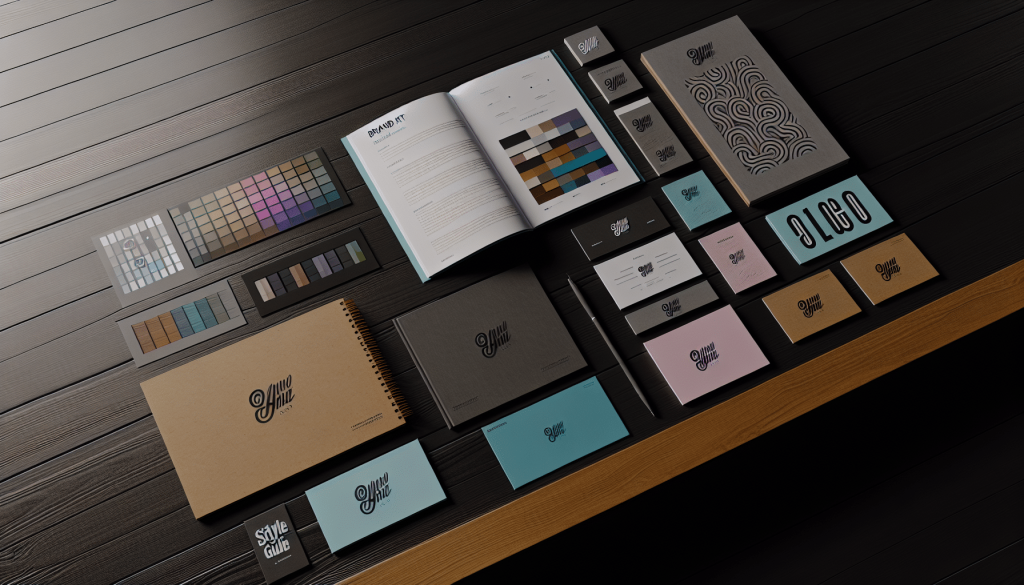
A strong brand kit goes beyond the basics. Including additional brand elements can elevate your brand’s consistency, efficiency, and overall impact. These extras provide clarity, prevent misuse, and support cross-functional teams in staying aligned with your brand’s mission.
Brand Story and Mission
Provide context about the brand’s purpose, mission, and values. This strengthens internal alignment.
Brand Use Cases
Show how your brand looks in action:
- Social media templates
- Packaging mockups
- Website banners and headers
Design Templates
Ready-to-use files like:
- Business card layouts
- Letterheads and presentations
- Social media post templates
These give your design team a running start on every new project.
Iconography Guidelines
Define a consistent style for icons used across your digital presence:
- Line vs. filled icons
- Sizing and spacing rules
- Approved icon packs or original sets
This helps maintain a coherent visual identity in UI/UX design and print materials.
Brand Do’s and Don’ts
Clarify what to avoid:
- Improper logo usage
- Incorrect color combinations
- Unapproved messaging or image styles
A visual “Do/Don’t” list can eliminate guesswork for teams and partners.
Internal Usage Policy
Establish who can access and edit brand materials:
- Design team roles
- Partner access permissions
- Version control and update responsibilities
This adds creative control and reduces inconsistencies over time.
Who Needs a Brand Kit?
Everyone building a brand. But it’s especially useful for:
- Small business owners seeking consistent branding
- Agencies managing multiple client brands
- Marketing teams working with external designers
- Freelancers creating visual content
- Startups laying the groundwork for a brand refresh
A brand kit helps align every stakeholder around a common vision.
Design Tools to Create a Brand Kit
Creating a professional brand kit doesn’t require complex software. Tools like:
- Adobe Illustrator or Photoshop: Ideal for professional graphic designers who want pixel-perfect control over their visual assets. Great for creating original logos, illustrations, and exporting in high-quality file formats.
- Canva: A user-friendly option perfect for startups, small businesses, and solopreneurs. It provides drag-and-drop design capabilities with access to thousands of templates and an intuitive interface.
- Brandy: A modern, cloud-based platform built specifically for managing and sharing brand kits. Perfect for teams, agencies, and growing brands looking to store, organize, and collaborate on brand assets in real-time.
These tools empower you to design, customize, and distribute your digital assets in multiple formats, ensuring consistency at every touchpoint.
Benefits of a Brand Kit
Why should every business invest in a brand kit? Here’s what it brings to the table:
- Faster content creation: With ready-to-use assets and templates, your team can execute projects more efficiently.
- Greater team alignment: Everyone, from designers to copywriters, is on the same page.
- Professionalism: Your brand looks polished and consistent whether it’s seen on a billboard, website, or social media.
- Stronger brand recognition: Consistent use of logos, colors, and tone builds familiarity with your audience.
- Improved customer trust: A cohesive look and feel across touchpoints signals reliability and credibility.
A brand kit is more than just a set of guidelines—it’s a long-term investment in clarity, creativity, and business growth.
Final Thoughts: Build Your Brand Kit Now
If you’re serious about growing your brand, a brand kit is non-negotiable. It protects your brand’s integrity, saves time, and ensures a consistent, professional presence everywhere your brand shows up.
Ready to build a powerful, scalable, and recognizable brand? Start with a brand kit that reflects who you are—and make sure everyone else does too.
To make the process even easier, explore tools like Brandy—an all-in-one platform built for creating, customizing, managing, and sharing brand kits. Whether you’re a solo creator or a global team, Brandy gives you the structure and flexibility to manage your brand with confidence.
Explore Brandy to future-proof your branding strategy with a centralized, shareable brand kit that grows with you.
FAQs About Brand Kits
A brand kit is a toolkit of assets (like logos, colors, and templates), while brand guidelines include the detailed rules for how to use them correctly.
Yes. A logo is just one part of your brand. A kit ensures every visual and message stays consistent.
Review it annually or during rebranding, product launches, or major design updates.
Absolutely. Platforms like Brandy let you create cloud-based, shareable kits for real-time collaboration.
Use platforms like Brandy to generate a public or private link you can easily share with your team, partners, or clients.