Every second, conversations about brands are unfolding across social media, forums, news sites, and review platforms. People are sharing opinions, experiences, and feedback, sometimes positive and sometimes not. In this fast-moving digital world, your brand is always being talked about, whether you are part of the conversation or not.
That is where brand monitoring comes in. It gives you the power to listen, understand, and respond to what people are saying about your business online. By tracking mentions, comments, and trends, you can uncover insights that help shape your reputation, strengthen customer relationships, and stay one step ahead of potential crises.
Think of brand monitoring as your brand’s radar system. It helps you detect opportunities, spot risks early, and guide your strategy with real-time data. In the following sections, we will explore what brand monitoring is, why it is vital for every modern business, and how you can use it to protect and grow your brand presence effectively.
Why Brand Monitoring Is Important
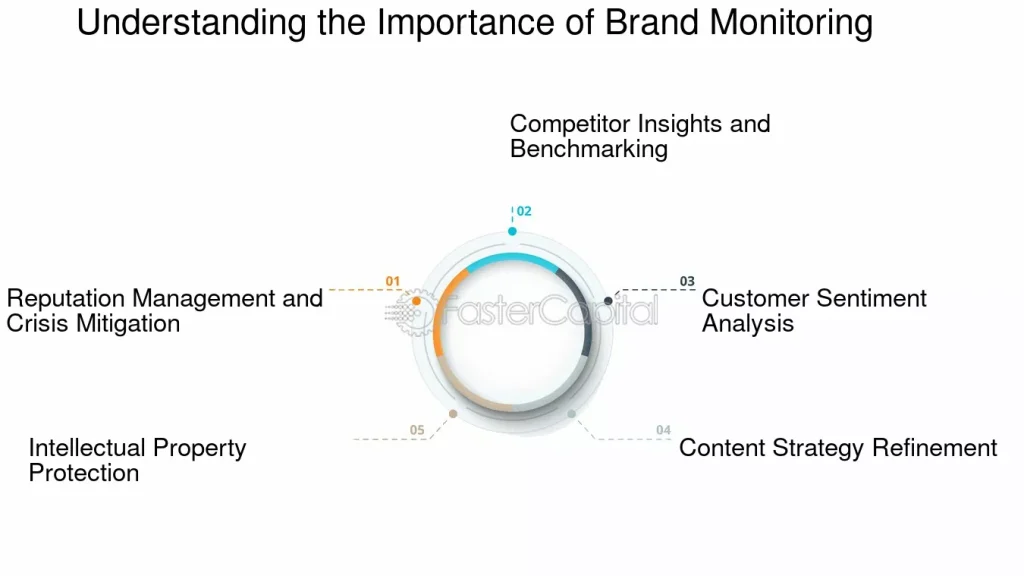
In a world where your brand’s reputation can shift with just a few social media posts, brand monitoring has become one of the most important parts of any marketing strategy. It is more than just keeping an eye on your name; it is about understanding how your brand is perceived, what customers feel, and where you can improve.
1. Strengthens Reputation Management
Effective brand monitoring helps protect your online reputation. By tracking brand mentions across social media platforms, review sites, and news outlets, you can quickly respond to negative comments and reinforce a positive brand image. This proactive approach ensures that one complaint does not spiral into a crisis.
2. Builds Stronger Customer Relationships
Online brand monitoring opens the door to authentic engagement. When customers share feedback or tag your brand in social media conversations, responding in real time shows that you value their opinions. This type of engagement builds loyalty and fosters long-term trust.
3. Detects Crises Before They Escalate
A solid brand monitoring strategy helps you catch potential issues early. Real-time alerts from modern brand monitoring tools or AI-powered software allow your team to act before a problem becomes public. Whether it is a product issue or a misleading post, quick action protects your brand’s health and reputation.
4. Delivers Valuable Insights
Monitoring brand mentions online gives you access to actionable insights about customer sentiment, product quality, and overall satisfaction. Sentiment analysis tools can reveal patterns in feedback that help refine your products and marketing campaigns.
5. Enhances Competitive Awareness
Your competitors are being talked about too. By tracking their brand mentions and analyzing customer reactions, you can gain valuable insights into what works for them, and where they fall short. This helps you stay ahead of competitor strategies and market trends.
6. Improves Marketing Performance
Brand monitoring efforts can directly improve your marketing campaigns. When you understand how audiences react to your social media coverage, hashtags, and influencer collaborations, you can fine-tune messaging for better engagement and stronger brand perception.
7. Guides Business and Product Decisions
Customer feedback forms, social listening data, and online conversations reveal what people truly want. This information can guide future updates, product launches, and overall brand management decisions.
In short, effective brand monitoring helps you stay connected with your audience, safeguard your reputation, and discover opportunities for growth. It is an ongoing process that blends social media monitoring, sentiment analysis, and customer feedback into one powerful brand-tracking system that keeps your brand’s online presence healthy and strong.
Where to Monitor Your Brand Online
Brand conversations happen everywhere, not just on your official channels. To build a complete picture of your brand’s reputation, you need to track brand mentions across all major digital touchpoints where your audience interacts, reviews, and shares opinions.
1. Social Media Platforms
Start with the obvious, social media channels like Instagram, LinkedIn, X (Twitter), Facebook, and TikTok. These are the places where your brand can be mentioned in posts, comments, or hashtags. Monitoring social media mentions helps you track real-time brand sentiment, understand how campaigns perform, and join customer conversations as they happen. Social media monitoring tools such as Hootsuite or Mention make this process easier by showing all mentions in one dashboard.
2. Review Sites and Directories
Sites like Google Reviews, Yelp, GeniusFirms, G2, and Trustpilot are critical for online brand monitoring. People often turn to these platforms to share honest experiences about products or services. Keeping an eye on reviews helps you respond quickly to concerns and maintain a positive brand image.
3. News Sites and Media Outlets
Your brand might appear in news stories, interviews, or industry reports without you realizing it. Monitoring media coverage allows you to understand how journalists and bloggers talk about your brand and competitors. Using tools that track keywords and brand mentions in news sources gives you deeper insight into public perception.
4. Online Forums and Communities
Many customers discuss products on platforms like Reddit, Quora, or niche industry forums. Tracking these spaces can uncover raw customer feedback that often goes unfiltered. These discussions reveal customer sentiment, pain points, and ideas that can shape future product improvements.
5. Blogs and Influencer Sites
Influencers, affiliate partners, and bloggers play a major role in shaping brand perception. Monitoring blog posts and influencer content mentioning your brand helps identify supporters who can become ambassadors, as well as critics whose feedback can guide brand improvements.
6. Your Own Channels
Your website, blog comments, and social media posts also generate valuable feedback. Monitoring conversations here ensures your responses align with your brand monitoring strategy. Keeping track of customer feedback directly from your audience helps strengthen satisfaction and loyalty.
7. Competitor Channels
Do not forget to monitor competitors. Analyzing what people say about them on social media and review platforms offers insight into market gaps and new opportunities. Competitor tracking is a key part of any effective brand monitoring effort.
The more channels you monitor, the more complete your understanding of your brand’s reputation becomes. This multi-channel approach helps you see how audiences experience your brand across touchpoints, providing valuable insights to guide your future marketing strategy and protect your brand’s health.
Best Brand Monitoring Tools
Once you understand what and where to track, the next step is choosing the right brand monitoring tools to make the process efficient and insightful. These tools collect mentions, analyze sentiment, and help you manage your brand’s reputation in real time. Whether you are a small business or a global brand, using the right software can make all the difference in how you interpret customer feedback and brand sentiment.
1. Google Alerts
Google Alerts is one of the most accessible and free online brand monitoring tools. It allows you to track brand mentions, industry keywords, or competitor names across the web. By setting up alerts for your brand name, you receive notifications whenever new mentions appear on blogs, news sites, or forums. It is simple, effective, and a great starting point for small businesses.
2. Mention
Mention is a powerful tool that tracks brand mentions across social media platforms, blogs, forums, and online news. It provides real-time alerts, sentiment analysis, and engagement features so your team can respond quickly to both positive and negative feedback. Mention is ideal for businesses that want a balance between social listening and brand tracking.
3. Brandwatch
Brandwatch is a data-driven brand monitoring software designed for deeper insights. It uses advanced AI to analyze brand sentiment, audience demographics, and market trends. Large companies often rely on it for comprehensive media monitoring, competitive analysis, and crisis management.
4. Hootsuite
Known primarily for social media management, Hootsuite also includes robust social media monitoring capabilities. You can track mentions of your brand, hashtags, or campaign keywords across multiple social media channels from a single dashboard. It is a great option for teams managing multiple accounts and campaigns.
5. Sprout Social
Sprout Social combines brand monitoring and customer engagement in one tool. It helps you track conversations, analyze sentiment, and manage customer messages directly from its interface. Its analytics dashboard provides valuable insights into brand health, engagement, and audience sentiment over time.
6. Awario
Awario is an AI-powered brand monitoring platform that scans social media, blogs, news, and the web for mentions in real time. It excels at identifying customer sentiment, influencer activity, and emerging trends, helping brands stay ahead of potential issues and opportunities.
7. Talkwalker
Talkwalker is one of the best brand monitoring tools for large-scale enterprises. It offers deep analytics, image recognition, and sentiment tracking across millions of online conversations. Its ability to connect social media data with traditional media makes it ideal for comprehensive brand reputation management.
Selecting the right brand monitoring software depends on your goals, team size, and budget. Whether you use a free tool like Google Alerts or a full-scale monitoring suite like Brandwatch or Talkwalker, what matters most is consistency. A well-executed and continuous monitoring effort ensures that your brand stays visible, relevant, and trusted.
How to Build a Brand Monitoring Strategy
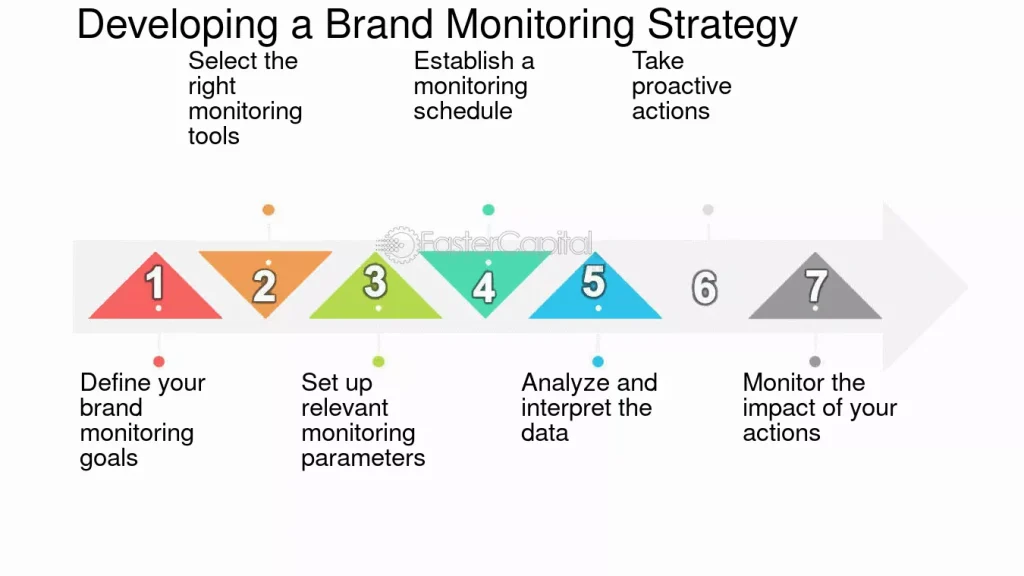
A successful brand monitoring strategy is not just about tracking mentions. It is about transforming data into decisions that strengthen your brand’s reputation and customer relationships. Building an effective plan involves setting clear goals, using the right tools, and maintaining consistency across your monitoring efforts.
1. Define Your Goals
Start by identifying why you want to monitor your brand. Are you focused on improving customer satisfaction, detecting potential crises, or analyzing brand sentiment? Defining your purpose will help you select the right online brand monitoring tools and metrics that align with your objectives.
2. Identify Relevant Keywords
List all keywords related to your brand name, product names, campaign hashtags, leadership names, and industry trends. Do not forget variations, nicknames, or common misspellings. Using these relevant keywords helps you capture a more accurate view of your brand’s online presence.
3. Choose the Right Tools
Select brand monitoring software that fits your goals and scale. For small teams, Google Alerts and Mention are easy to use. For larger businesses, tools like Brandwatch or Sprout Social offer deeper analytics and sentiment tracking to gain valuable insights about customer conversations.
4. Set Up Real-Time Alerts
Timely response is key to effective brand monitoring. Configure your tools to send real-time alerts whenever mentions of your brand appear on social media platforms, news sites, or review portals. Quick action helps you engage customers and prevent potential crises before they escalate.
5. Analyze Brand Sentiment
Understanding the tone behind brand mentions is just as important as tracking them. Sentiment analysis helps you measure whether conversations about your brand are positive, negative, or neutral. This analysis provides actionable insights into how your audience feels and highlights areas where improvement is needed.
6. Engage and Respond
Engagement is one of the most valuable outcomes of brand monitoring. Respond to customer feedback promptly, whether it is praise or criticism. Acknowledging customers shows you care about their experiences and strengthens your brand’s credibility.
7. Evaluate and Adjust
Finally, measure how your brand monitoring efforts are performing. Track key metrics such as mention volume, sentiment changes, and engagement rate. Use this data to refine your strategy, improve your products, and maintain a positive brand image.
An effective brand monitoring strategy is not a one-time task. It is a continuous process that helps your brand stay in tune with audience expectations, monitor competitors, and identify new opportunities. When done consistently, it ensures that your brand’s reputation remains strong and resilient in an ever-changing digital landscape.
Best Practices and Common Pitfalls in Brand Monitoring
A solid brand monitoring approach goes beyond simply tracking mentions. It requires consistency, clear communication, and smart decision-making. By following best practices and avoiding common mistakes, you can turn brand monitoring into one of your strongest tools for growth and reputation management.
Best Practices for Effective Brand Monitoring
To get the most value from your brand monitoring efforts, you need a clear plan, reliable tools, and a responsive approach. These best practices will help you turn raw data and brand mentions into meaningful insights that drive smarter decisions and stronger relationships with your audience.
1. Monitor Consistently Across Channels
Set a routine for checking social media platforms, review sites, blogs, and news sources. Consistent monitoring ensures you never miss critical feedback or trends related to your brand’s reputation.
2. Use Sentiment Analysis for Context
Tracking numbers alone is not enough. Use brand monitoring tools that analyze sentiment to understand how people feel about your brand mentions. Whether the feedback is positive or negative, knowing the emotional tone helps you respond strategically.
3. Prioritize Customer Feedback
Not every comment requires action, but direct feedback from customers is invaluable. Listening closely to what customers say about your brand online can help you identify areas to improve and enhance customer satisfaction.
4. Stay Proactive, Not Reactive
Effective brand monitoring means anticipating potential problems before they grow. Address issues early, thank customers for praise, and turn small interactions into long-term brand loyalty.
5. Keep Your Brand Voice Consistent
When responding to customer conversations or social media mentions, make sure your tone reflects your brand personality. Consistency builds recognition and trust across all touchpoints.
6. Track Competitors for Inspiration
Monitor competitors to see how they manage their own customers and marketing campaigns. Learning from their successes and mistakes provides valuable insights for your own brand strategy.
7. Document and Review Insights Regularly
Keep a record of brand monitoring insights and reports. Reviewing them helps identify long-term trends, guide marketing strategy, and align teams on areas that need focus.
Common Pitfalls to Avoid in Brand Monitoring
Even with the right tools and intentions, many brands make mistakes that limit the impact of their monitoring efforts. Being aware of these pitfalls helps you stay focused, consistent, and strategic while protecting your brand’s online reputation and credibility.
1. Ignoring Negative Mentions
Avoid the temptation to overlook criticism. Addressing negative feedback promptly and professionally can turn unhappy customers into loyal supporters.
2. Overreacting to Minor Issues
Not every comment needs a response. Overreacting to small remarks can amplify issues unnecessarily. Focus on patterns, not isolated incidents.
3. Neglecting Offline Mentions
While social media dominates, traditional news, podcasts, and offline conversations can also shape your brand perception. Incorporate media monitoring into your strategy to get a full picture.
4. Failing to Update Keywords
As your products, campaigns, and industry evolve, your tracking keywords should too. Regularly review and refresh them to ensure your monitoring remains accurate and relevant.
By following these best practices and avoiding common mistakes, you can make brand monitoring a consistent and reliable part of your brand management process. The goal is not just to collect data but to use it for actionable improvements that strengthen customer relationships and brand loyalty.
Final Thoughts on Brand Monitoring
Brand monitoring is no longer optional; it is an essential part of building and maintaining a strong online reputation. In an era where conversations move quickly across social media and digital platforms, understanding what people say about your brand gives you a competitive edge.
When done consistently, brand monitoring helps you strengthen customer trust, improve your marketing strategy, and make data-driven decisions. It also empowers your team to identify opportunities, respond to feedback, and manage crises before they escalate.
Think of it as an ongoing dialogue with your audience, one that gives you real-time insight into how your brand is perceived and how it can evolve. By investing in a structured brand monitoring strategy supported by the right tools, your business can stay connected, stay relevant, and stay ahead.