

A strong brand begins within your organization. When employees feel connected to your company’s mission and values, they naturally become passionate brand ambassadors. This sense of attachment is known as employee brand engagement, the bond employees share with the company’s brand, purpose, and promise.
Unlike general employee engagement, which focuses on motivation and satisfaction, brand engagement drives employees to live and express the brand in their daily work. When employees understand the brand values, believe in the vision, and see how their role impacts the bigger picture, they deliver authentic experiences that enhance customer perception and strengthen brand consistency.
By creating an engaging work environment, encouraging open communication, and empowering teams to share ideas, organizations can nurture brand advocates who build trust, boost customer experience, and shape a strong employer brand that attracts both customers and talent alike.
What Is Employee Brand Engagement?
Employee brand engagement is the emotional and behavioral connection employees have with their company’s brand. It reflects how deeply they understand, believe in, and represent the brand identity, values, and mission in their daily work. When employees are engaged with the brand, they do not just perform tasks, they embody the company’s purpose and contribute to a unified brand perception across all touchpoints.
This connection goes beyond typical employee engagement, which focuses on satisfaction and retention. Brand engagement links employees’ personal values with the organization’s core values, helping them find meaning in their work. When employees truly believe in the company’s culture and brand values, they communicate that passion to customers, investors, and potential hires.
In essence, employee brand engagement turns your team into authentic storytellers who represent the brand with consistency and purpose, strengthening both internal culture and customer experience.
Core Drivers of Employee Brand Engagement
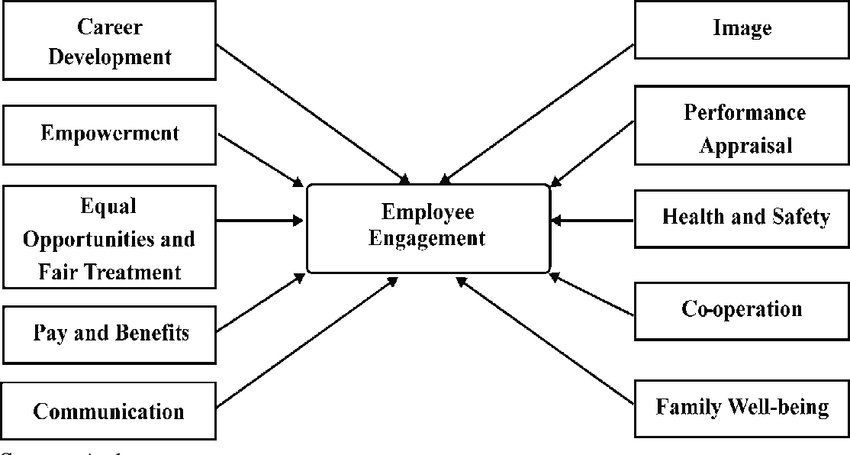
Building employee brand engagement starts with understanding what truly motivates employees to connect with the brand. It is not just about rewards or recognition, it is about creating an environment where people feel aligned, empowered, and valued.
1. Clear Brand Mission and Values
When employees clearly understand the company’s mission and core values, they can align their work with a shared purpose. This clarity helps them see how their contributions impact the brand’s success and fosters a sense of belonging.
2. Strong Internal Communication
Transparent and consistent communication keeps everyone informed and connected. Sharing updates about brand goals, campaigns, and customer feedback helps employees feel involved in the brand’s journey and strengthens their trust in leadership.
3. Access to Brand Resources
Easy access to brand assets, templates, and tools ensures that everyone represents the brand identity consistently. This reduces confusion and encourages employees to use brand materials confidently across digital channels and social media platforms.
4. Recognition and Reward
Acknowledging employees who embody brand values motivates others to do the same. Simple gestures like spotlighting employee stories or celebrating advocacy efforts build a sense of pride and reinforce positive behavior.
5. Inclusive Company Culture
A positive work environment where every voice matters enhances engagement. Employees are more likely to share ideas, collaborate, and promote the company’s reputation when they feel respected and included.
6. Leadership Example
Leaders who live the brand’s values inspire others to follow. When executives actively demonstrate the brand’s principles, they set the tone for an engaging company culture built on trust and shared purpose.
Together, these drivers create a foundation where employees feel connected, empowered, and motivated to contribute to a strong brand presence.
Six Practical Strategies to Achieve Employee Brand Engagement
Turning your employees into passionate brand advocates takes intention, structure, and ongoing effort. True employee brand engagement does not happen by chance, it is built through meaningful initiatives that connect people to purpose.
When employees understand your company’s story, feel heard, and have the right tools to represent the brand, they naturally carry that enthusiasm into every customer interaction. Below are six proven strategies that help organizations strengthen employee brand engagement and align internal culture with external brand identity.
1. Introduce Employees to the Brand from Day One
Make Brand Education Part of Onboarding
The onboarding phase is one of the most crucial opportunities to establish a foundation of engagement. Instead of limiting the process to HR paperwork and role explanations, use it as a chance to introduce new hires to your brand’s essence. Explain your brand values, mission, and vision, and show how their role contributes to the company’s larger purpose.
Provide them with tangible resources such as a brand handbook, digital asset access, and examples of successful brand storytelling. When employees clearly see where they fit within the brand narrative, they start building an emotional connection right away.
Build Early Connection Through Experiences
Encourage interactive activities like team meet-and-greets, brand quizzes, or storytelling sessions where senior leaders share the brand journey. These experiences help new employees feel welcomed and inspired. A warm, brand-driven onboarding experience sets the tone for engagement that lasts well beyond the first week.
2. Encourage Employee Feedback and Ideas
Create Open Channels for Feedback
Your employees are on the front lines of your brand experience. Whether through customer service, marketing, or product development, they have insights that leadership may overlook. Encourage them to share their observations about how the brand is perceived or where improvements can be made.
Host regular forums, Q&A sessions, or digital feedback platforms where every voice can be heard. This transparency not only improves communication but also demonstrates that the company values employee perspectives.
Turn Feedback into Action
Collecting feedback is not enough, acting on it builds trust. When employees see their suggestions influence decisions, they feel a stronger sense of ownership. For instance, if your design team suggests a more accessible logo variation or a content team member recommends new brand guidelines, acknowledge and implement these contributions. Small actions like this turn feedback into empowerment, enhancing brand engagement from within.
3. Show How Every Role Shapes Brand Perception
Connect Individual Roles to Brand Impact
One of the biggest barriers to engagement is when employees fail to see how their day-to-day work connects to the brand’s larger goals. Help them visualize this link by explaining how every department contributes to customer experience.
For example, the sales team delivers first impressions, marketing ensures consistency in messaging, while customer service defines long-term satisfaction. Even internal teams like HR and finance influence brand perception through how they communicate with employees and partners.
Reinforce Accountability and Pride
When employees understand their role in maintaining brand integrity, they take greater responsibility for upholding it. Leaders can reinforce this by recognizing employees who demonstrate brand-aligned behavior. Sharing real examples, like a customer support rep who resolved a problem in line with the brand’s values, helps others see the tangible impact of living the brand.
4. Provide Access to Brand Assets and Tools
Make Brand Resources Easily Accessible
Lack of access to brand materials often leads to inconsistency and frustration. Create a centralized space, such as a brand management platform, where employees can find updated logos, templates, and style guidelines. This ensures that everyone uses the same approved assets when creating presentations, marketing content, or social media posts.
When employees have the tools they need, they’re more confident in how they represent the brand. It removes barriers and empowers them to express the brand personality accurately across different digital channels.
Encourage Consistent Use of Brand Materials
Offer short brand training sessions or guides that show how to use these materials effectively. This step maintains brand consistency and helps employees feel more involved in the creative process. A sense of shared responsibility for visual and verbal identity strengthens the bond between employees and the company’s brand.
5. Foster Emotional Connection Through Culture
Build a Culture That Reflects Brand Values
Company culture plays a defining role in employee engagement. To build emotional connections, align everyday experiences with your core values. Recognition programs, open communication, and inclusive events make employees feel valued and seen.
Organize internal initiatives that celebrate brand milestones, spotlight employee stories, or highlight departments that exemplify the brand’s values. These activities make employees proud of their association and motivate them to share that enthusiasm externally.
Promote Belonging and Shared Purpose
Creating emotional connection is not just about corporate events, it is about empathy and belonging. Employees who feel connected to the brand are more likely to stay longer and perform better. Whether it’s through mentorship programs, volunteering opportunities, or team-building activities, giving employees ways to live the brand strengthens their emotional investment.
When people feel part of something meaningful, they become natural brand advocates, sharing stories, promoting values, and representing the company with genuine passion.
6. Keep the Brand Visible Every Day
Reinforce Brand Presence in Daily Routines
Your brand should not exist only in marketing campaigns, it should be part of daily work life. Incorporate branded visuals, language, and tone into internal communications like newsletters, presentations, and announcements.
In-office teams can experience this through branded spaces, wall art, or mission statements displayed across common areas. These visual cues act as constant reminders of the company’s identity and purpose.
Maintain Connection with Remote Teams
With the rise of remote work, maintaining engagement across digital platforms is vital. For remote employees, virtual events, digital wallpapers, and branded templates can create a sense of unity and belonging. Consider hosting monthly brand check-ins or digital town halls where leadership discusses how the brand is evolving and celebrates collective achievements.
A visible brand presence keeps employees aligned with company goals and ensures that engagement extends beyond physical boundaries.
Bringing It All Together
When you combine these six strategies such as brand driven onboarding, active feedback loops, role clarity, centralized tools, emotional connection, and daily visibility, you create a complete framework for employee brand engagement.
Employees who feel valued, informed, and connected to the company’s purpose don’t just represent the brand, they live it. They engage with customers authentically, share positive stories on social media, and help strengthen the company’s reputation from within.
By cultivating this culture, organizations can achieve a balance between employee satisfaction and brand advocacy, ensuring that the brand’s promise is reflected consistently in every action, message, and interaction.
Measuring and Sustaining Employee Brand Engagement

Creating employee brand engagement is just the beginning, the real challenge lies in measuring it and keeping the momentum alive. To build a sustainable engagement culture, companies must rely on both quantitative and qualitative metrics that reflect how employees connect with and represent the brand.
1. Track Engagement Metrics
Use surveys, feedback forms, and participation data to measure how well employees understand and live the company’s brand values. Metrics such as employee feedback, advocacy participation, internal event attendance, and social media activity can reveal how connected employees feel to the brand.
2. Evaluate Brand Representation
Assess how employees communicate the brand externally through social media posts, client interactions, and presentations. Consistent tone, messaging, and behavior show strong brand alignment, while inconsistencies highlight areas for improvement in internal communication or training.
3. Recognize and Reward Advocacy
Sustaining engagement requires continuous appreciation. Recognize employees who share success stories, advocate for the company online, or embody brand values in their work. These recognitions motivate others and nurture a culture of pride and ownership.
4. Maintain Two-Way Communication
Encourage ongoing dialogue where employees can share ideas and concerns freely. This keeps leadership informed about the team’s morale while showing that the company values every voice. Open communication reinforces trust and emotional connection.
5. Revisit and Refine Strategies Regularly
Brand engagement is not a one time initiative, it is an ongoing process. Regularly review engagement data, employee stories, and feedback to identify what is working and where adjustments are needed. This continuous improvement keeps employees invested and ensures that the company’s culture evolves alongside its brand.
By measuring progress and reinforcing participation, organizations can turn brand engagement into a natural part of daily work, keeping employees inspired, aligned, and motivated to represent a strong brand every day.
Challenges and Pitfalls to Avoid
Even the most dedicated teams face challenges when building employee brand engagement. Recognizing these pitfalls early helps organizations create strategies that sustain a healthy and authentic company culture.
1. Treating Brand Engagement as a Marketing Task
One common mistake is leaving brand engagement solely to the marketing or HR department. A truly strong employer brand requires collaboration across all departments. Every employee, from leadership to customer support, plays a role in shaping the company’s brand perception.
2. Lack of Access to Brand Resources
When employees don’t have easy access to brand assets or clear guidelines, they struggle to maintain brand consistency. This creates confusion and weakens how the brand is represented both internally and externally. Centralized access ensures everyone works with the same approved materials.
3. Ignoring Employee Feedback
If employees share ideas or concerns that go unheard, they begin to disengage. Active listening and transparent responses show that the company values their voices, which strengthens emotional connection and trust.
4. Weak Leadership Alignment
Leaders who fail to live the brand’s values send mixed messages. Authentic leadership sets the tone for an engaging work environment where employees feel motivated to reflect the brand in everything they do.
5. Remote Employee Disconnection
With more remote employees joining global teams, maintaining a shared sense of identity is challenging. Regular communication, virtual events, and visible branding across digital spaces help remote staff feel part of the same mission.
By identifying and addressing these pitfalls, organizations can maintain long-term engagement and build a team that embodies the company’s values with pride, purpose, and consistency.
Conclusion
A company’s brand is only as strong as the people who represent it. When employees believe in the company’s mission, understand its core values, and feel empowered to share its story, they become the living voice of the brand. That’s the true essence of employee brand engagement, a culture where every individual contributes to a consistent and authentic brand identity.
By fostering open communication, recognizing achievements, and providing access to the right tools, companies create an environment where employees feel connected and valued. These engaged employees naturally promote the brand through their actions, words, and everyday interactions, strengthening both customer relationships and brand perception.
Ultimately, successful organizations know that brand engagement begins within. When employees are proud advocates of the company’s values, they inspire loyalty, trust, and admiration among customers, building a brand that grows stronger with every shared story and authentic connection.