
Canva has become the default design tool for agencies and marketing teams. It is fast, accessible, and produces professional-looking results without requiring design expertise. The Brand Kit feature extends this convenience to brand consistency, letting teams set colors, fonts, and logos for use across Canva templates.
For many agencies, Canva Brand Kit is where brand management starts and ends.
This is a mistake, not because Canva is a bad tool, but because Brand Kit is not brand asset management. Understanding the difference protects your clients’ brands and positions your agency as a more sophisticated partner.
What Canva Brand Kit Actually Does?
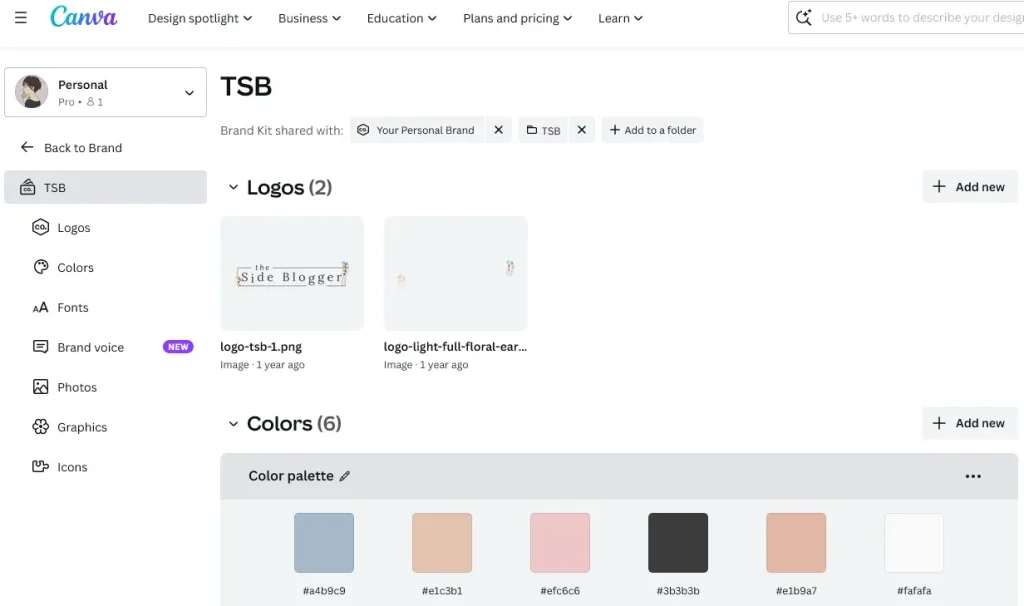
Canva Brand Kit is a feature within Canva that allows teams to store brand colors, fonts, and logos for use in Canva designs. It is designed to make template-based design faster and more consistent within the platform.
Understanding exactly what it does and what it does not do is the starting point for understanding why agencies need more.
Colors, Fonts, and Logos Inside Canva
With Brand Kit, you can set primary, secondary, and accent colors so they appear in the color picker. You can upload custom fonts so they are available in the text editor. You can upload logos so they can be inserted into designs quickly without re-uploading each time.
For teams doing all of their design work inside Canva, this is genuinely useful. It reduces time spent hunting for hex codes and rebuilding the same setup for every new design.
The Critical Limitation: It Only Works Inside Canva
The key phrase in every description of Brand Kit is: “inside Canva.” Brand Kit is a feature of the Canva design tool. It exists to make designing in Canva easier and faster. It does not extend beyond Canva’s platform in any meaningful way.
A vendor who does not use Canva cannot access Brand Kit. A developer who needs an SVG file for a website build cannot pull it from Brand Kit. A client who wants to share approved assets with a new PR agency cannot send a Brand Kit link as a usable deliverable.
This boundary is where Brand Kit ends and where brand asset management begins.
The Limitations of Canva Brand Kit for Agencies
Agencies managing client brands professionally quickly encounter the limits of Brand Kit. Each limitation is manageable in isolation. Together, they represent a gap that grows more expensive as client relationships and brand complexity increase.
It Does Not Serve Stakeholders Outside Canva
When a client’s developer needs the logo in SVG format for a website, they cannot access it from Brand Kit. When a print vendor needs CMYK color values for a production run, Brand Kit does not provide them, and when a new team member at the client company needs to understand brand usage rules, Brand Kit has no guidelines to show them.
Every stakeholder who does not work inside Canva is effectively locked out of the brand assets in the Brand Kit stores. For agencies with clients who work with external vendors, production partners, or their own internal teams, this creates a constant gap.
It Stores Assets but Not How to Use Them
Canva Brand Kit stores brand assets. It does not document how to use them, when to use the dark version of a logo, the minimum size requirements, approved background colors, or contexts that are off-brand. That documentation has to live somewhere else.
Without usage guidance attached to the assets themselves, users make judgment calls. Some of those calls will be correct. Many will not be, and the result is brand inconsistency that the agency is ultimately responsible for.
Multi-Brand Management Hits Plan Limits Fast
Canva for Teams allows multiple Brand Kits, but the number available depends on the plan tier. Agencies managing 20 or 30 client brands hit these limits quickly. Managing that many clients through a tool with plan-based constraints on the core feature you rely on creates both a cost problem and an operational one.
Clients See Canva, Not Your Agency
When you share Brand Kit access with a client, they see Canva’s interface. There is no way to present the brand management experience under your agency’s brand. The tool that holds your client’s brand identity is branded by a third party.
For agencies building a premium client experience, this is a missed opportunity at best and a credibility issue at worst.
It is Not a Professional Client Deliverable
You cannot send a client a link to their Brand Kit as a formal brand asset deliverable. It requires Canva access, is presented within Canva’s interface, and lacks the professional presentation that a proper brand space provides. Agencies that want to hand off brand management as a polished deliverable need a different tool.
What Brand Asset Management Actually Means?
Brand asset management goes beyond storing files. It means creating a structured, governed environment where every brand stakeholder, including internal team members, external vendors, agency partners, and new employees, can find the right asset in the right format with the right context.

What a Dedicated Platform Provides?
A brand asset management platform provides visual organization of logos with all variants and download formats available in one place. Color palettes displayed as swatches with all color values, including HEX, RGB, CMYK, and Pantone. Typography shown in context with usage rules. Brand guidelines are integrated directly with the assets they govern, so the rule and the asset are never separated.
It provides permission controls that determine who can access, download, or edit specific assets. A shareable URL that presents the brand professionally to any external stakeholder, whether they use Canva or not.
The Difference in Practice
None of these are features of the Canva Brand Kit. They are features of dedicated brand asset management platforms built for the full scope of brand governance, not for making design faster inside a single tool.
The practical difference shows up the moment a client asks you to share their brand assets with a new agency, a franchise partner, or a regional marketing team. Brand Kit cannot answer that request. A brand asset management platform answers it with a single link.
How Agencies Should Use Canva and Brand Asset Management Together?
The most effective approach for agencies is to use Canva and a brand asset management platform as complementary tools, each doing what it does best. The two are not in competition. They solve different problems.
Canva Handles Design Creation
Templates, social media graphics, presentations, marketing materials, and campaign assets all live in Canva. Brand Kit keeps the design process consistent within that environment, reducing setup time and keeping colors and fonts uniform across designs.
This is what Canva is built for, and it does it well. The goal is not to replace it.
The Brand Management Platform Handles Governance
The permanent brand library, the shareable brand URL, the guidelines document, the external sharing, and the client-facing brand space all live in the brand asset management platform. This is the authoritative source of truth that anyone, inside or outside Canva, can reference.
A Clean Workflow Between the Two
The workflow is straightforward. Finalize assets in Canva. Export the approved versions. Bring them into the brand management platform. From that point, all asset requests from vendors, clients, new team members, and external partners are handled through the brand management platform, not Canva.
This separation of concerns makes both tools work better. Canva stays fast and design-focused. The brand management platform stays organized and authoritative. Neither tool tries to do the other’s job.
White Label Brand Management for Agencies
One of the most significant gaps between Canva Brand Kit and dedicated brand asset management is the lack of a white-label option. It is also the one most agencies fail to recognize until they see it demonstrated.

Presenting Under Your Agency’s Brand
Agencies using white-label brand management through Brandy’s BrandOS plan can present a fully branded brand management platform to clients. Custom login portals, custom URLs, and branded email invites mean clients experience your agency’s platform, not a third-party tool. The brand management experience is yours.
This is not possible with Canva Brand Kit. Clients using Brand Kit see Canva. Every interaction reinforces Canva’s brand equity, not yours.
Brand Management as a Product, Not Just a Service
For agencies building recurring revenue streams, white-label brand management is a product. Clients pay monthly for access to a platform that carries your agency’s brand. The agency controls the experience, the onboarding, and the ongoing relationship around brand governance.
Canva Brand Kit cannot provide this model. It is a tool feature your clients may or may not choose to use, with no agency branding, no custom URL, and no recurring revenue structure attached.
Positioning and Commercial Value
The difference in how clients perceive the relationship is substantial. A client who accesses their brand through your agency’s branded platform sees you as the custodian of their brand identity. A client who accesses their brand through Canva sees Canva as the custodian. That distinction shapes how they value your work and how long they stay.
Making the Case to Clients
Many agency clients are familiar with Canva. They use it themselves and assume Brand Kit covers brand management adequately. Part of an agency’s value is educating clients on what proper brand governance looks like and why the distinction matters.
The Conversation That Shifts Perception
The conversation is direct. Brand Kit keeps your Canva designs consistent. Brand management for agencies keeps your entire brand consistent across every vendor, every tool, and every touchpoint. One is a design aid. The other is infrastructure.
When a client understands that their brand space in Brandy is the single source of truth for their brand, accessible to anyone who needs it, always current, professionally presented, and not dependent on whether the recipient has a Canva account, they immediately understand the difference.
Positioning Your Agency as a Brand Governance Expert
Agencies that make this distinction clearly are positioned as brand governance experts, not just designers who are fast with Canva templates. That positioning commands higher fees. It supports longer client relationships because the agency solves a problem that persists beyond project completion.
How to Frame it in a Proposal?
Present brand asset management as a separate deliverable with ongoing value. The proposal includes brand identity design and a permanent brand hub that the client and their entire team can use. That framing makes the value concrete and the recurring element logical, rather than appearing to upsell for its own sake.
Final Thoughts
Canva Brand Kit is a useful feature for maintaining design consistency across Canva. For agencies managing client brands professionally, it is not brand asset management. The two serve different purposes, and confusing them creates gaps that compound over time.
The most effective agencies use both. Canva for design creation. A dedicated brand asset management platform for brand governance, external sharing, and client deliverables. Each tool does what it was built to do, and nothing is left to chance.
Brandy integrates naturally into an agency’s existing Canva workflow. Start free and build your first brand space in under five minutes.
Already using Canva? Bring your brand assets into Brandy and build a brand space your clients will love. Start Free
Related reading: Brandy vs Canva for a full feature comparison side by side.